
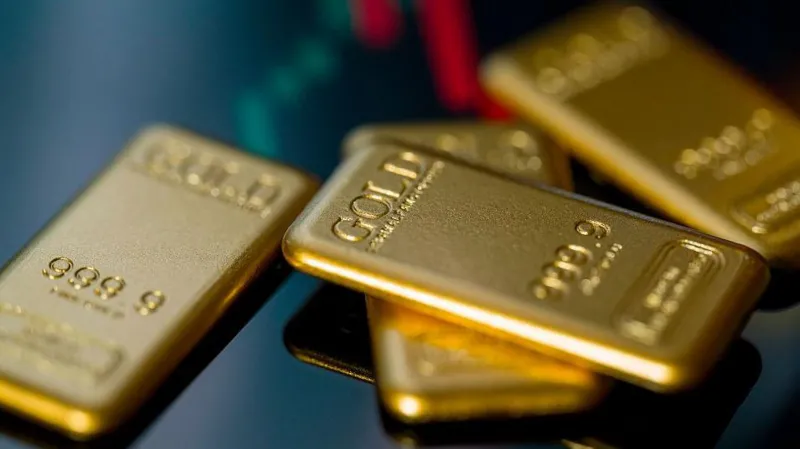
Gold and silver prices soared to record highs on Monday, while European stock markets fell after US President Donald Trump threatened new tariffs on eight European nations over their opposition to his Greenland takeover plan.
The stock market, however, reacted negatively. London’s FTSE 100 dropped 0.4%, and the FTSE 250, which has more domestically focused companies, fell 0.9%.
Across mainland Europe, carmakers, tech firms, and luxury brands experienced sharp declines. Germany’s Dax index slipped 1.3%, with BMW, Mercedes-Benz, and Volkswagen down 2-3%. In France, the Cac 40 fell 1.8%, affecting luxury giants LVMH and Hermes. Meanwhile, defence stocks like Germany’s Rheinmetall and France’s Thales saw gains.
The latest tension began on Saturday when Trump announced a 10% tariff on goods from Denmark, Norway, Sweden, France, Germany, the UK, the Netherlands, and Finland, effective February 1. The tariff could rise to 25% and would remain in place until a Greenland agreement is reached. Reports indicate the EU may retaliate with €93bn (£80bn) in tariffs on US goods.
The Greenland dispute has further fueled interest in “safe haven” assets. Last year, gold prices rose over 60% amid global uncertainty. Factors contributing to the recent surge include expectations of interest rate cuts, central banks increasing gold reserves, and China restricting silver exports.
The US Supreme Court is set to review whether Trump exceeded his authority in imposing certain tariffs under the International Emergency Economic Powers Act. A ruling as soon as Tuesday could significantly impact markets.
Trade conflicts remain a top threat to global economic growth. Although the International Monetary Fund (IMF) described the global economy as steady in its latest forecast, it warned that trade tensions and the potential slowdown in AI growth could pose risks.