
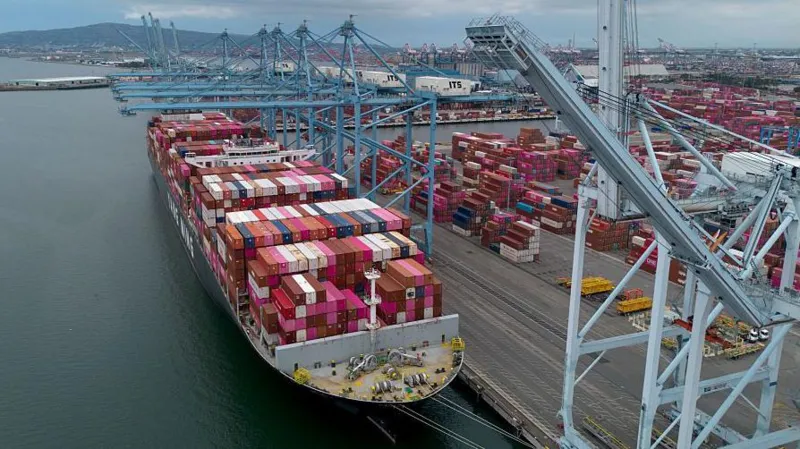
The International Monetary Fund (IMF) has projected global economic growth at 3.3% in 2026, up from its earlier forecast of 3.1%, before slightly easing to 3.2% in 2027.
IMF Chief Economist Pierre-Olivier Gourinchas told the news that the global economy is showing steady resilience, despite past disruptions. “Growth rates are not extraordinary, but the economy is robust,” he explained. He noted that the global economy has been recovering from the trade disruptions of 2025 and is performing better than expected.
While Donald Trump’s proposed tariffs have slowed global activity, Gourinchas emphasized that other factors, particularly technology-driven investments, have more than offset the slowdown. The IMF highlighted that AI-related investments have provided significant tailwinds, boosting productivity and investor confidence.
However, the report also warns of downside risks. If expectations around AI growth prove overly optimistic, a sudden market correction could occur. Even a mild correction could affect wealth levels, as recent share price gains have played a major role in increasing household wealth. Gourinchas explained that any market shocks could influence consumer spending and business investment plans, creating vulnerabilities in the economy.
Another concern is rising corporate debt tied to AI investments, which could amplify risks if markets fluctuate. In addition, trade tensions remain a critical threat, as renewed disputes could prolong uncertainty and slow global activity further.
The IMF also cautioned that domestic political conflicts or geopolitical crises could disrupt financial markets, supply chains, and commodity prices, adding additional layers of risk to the global economic outlook.