
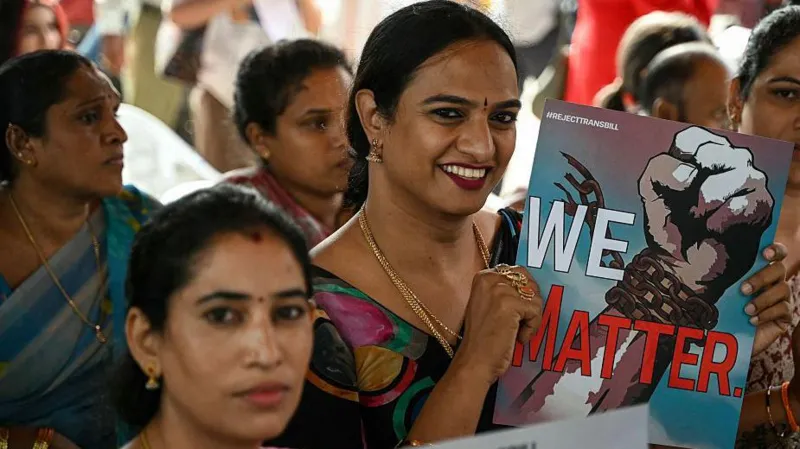
The Indian parliament passed a law that changed the way transgender individuals are recognized legally, causing protests by opposition parties and members of the LGBTQ community. This legislation amends the 2019 Transgender Persons Act (Protection of Rights), focusing on defining a transgender individual.
The Bill’s Purpose as a Bill of the Government
The new law, according to officials, aims at making welfare benefits easier to access and strengthening protections against trafficking and exploitation. The argument is that by defining transgender identities more narrowly, it will be easier to direct resources, like healthcare or job reservation, towards the marginalised.
It also requires medical certification and the district authorities to certify those who undergo gender affirming surgery. The bill includes traditional Indian identities and intersex people.
Critics Raise Concerns
This court recognised transgender individuals as “third gender.” The activists warn that these changes may exclude transgenders, gender-fluids, and non-binary people.
Laxmi Tripathi said that the transgender identity has been shattered. Grace Banu said, “We seek recognition without intrusion and without humiliation.” The lawyers also made the point that medical certification is a violation of dignity and privacy.
Panel Advisory and Opposition Reaction
The Supreme Court appointed advisory panel has called on the government to pull the bill. The panel said that removing the self-identification would violate the 2014 ruling of the Supreme Court and called for wider consultation.
The opposition parties criticised this legislation as “draconian.” In the last two weeks, the LGBTQ community has protested in many Indian cities.
Transgender People continue to face challenges in India
India has an estimated two million transgender people, although activists claim the true number is much higher. Many face discrimination despite legal recognition in the areas of education, health care, and formal employment. Many rely on informal or traditional work in order to make ends meet.
This new law has rekindled debates on how India can balance protection, welfare and rights of the transgender population.