
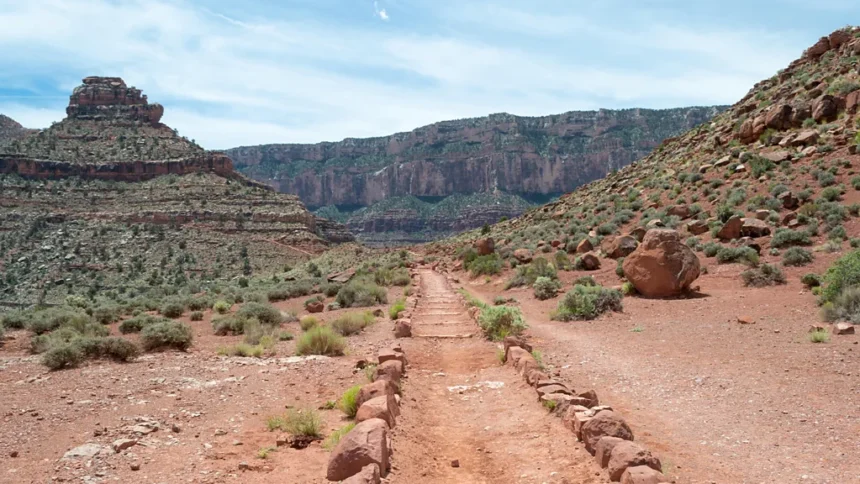
Across North America, Indigenous and First Nations tourism is thriving, as tribes turn ancient trails into modern routes for biking, hiking, and rafting. These efforts not only preserve history but also offer travelers meaningful experiences connected to Native heritage.
In 1877, Chief Standing Bear and the Ponca Tribe were forcibly relocated from Nebraska to “Indian Territory” in Oklahoma, marching 500 miles at gunpoint. The harsh winter and inability to plant crops led to the death of one-third of the tribe, including Standing Bear’s own children. Later, Standing Bear was arrested for leaving the reservation but won a landmark court case in 1879, securing recognition of Native Americans’ legal rights.
Today, travelers can explore the Chief Standing Bear Trail in Beatrice, Nebraska, a 22-mile limestone route along the Big Blue River. The trail follows the Ponca’s historical paths and original Native hunting and trading routes. Tribes now maintain these trails with educational signs and kiosks to share their stories, inviting visitors to connect with the land and history.
Many trails used today in the US were originally Indigenous routes, later converted into roads or railways. Modern initiatives, including collaborations with groups like the Rails-to-Trails Conservancy, are restoring these paths for slow tourism — hiking, cycling, and paddling — allowing tribes to reclaim and celebrate their heritage.
In Washington, the Olympic Discovery Trail (ODT), a 135-mile scenic route from Puget Sound to the Pacific Ocean, highlights Indigenous history. Originally foot trails connecting tribal villages, the trail passes through the Jamestown S’Klallam Tribe’s lands, including cultural centers, libraries, and galleries that showcase Native art and stories. The tribe is also restoring salmon habitats and educating visitors on conservation.
In Idaho, the Trail of the Coeur d’Alenes traces 72 miles of historic Native land once disrupted by settlers and railroads. The Coeur d’Alene Tribe oversees sections of the trail and offers cultural tourism experiences, such as guided hikes, canoeing, and cycling tours, allowing visitors to explore ancestral territories while learning about the tribe’s heritage.
The Hualapai Nation in the American Southwest demonstrates another form of Indigenous tourism. At Grand Canyon West, visitors can experience breathtaking views, the Skywalk glass bridge, and cultural storytelling by Hualapai ambassadors. Central to their offerings is the Colorado River, a historic trade and connection route. The Hualapai River Runners provide rafting tours with tribal guides, sharing sacred sites and the tribe’s history, allowing tourists to experience the Grand Canyon through Indigenous eyes.
Through these initiatives, Indigenous communities are not only preserving their culture and history but are also creating sustainable tourism opportunities that educate visitors, reconnect them to the land, and empower Native voices.
#IndigenousTourism #NativeAmericanHeritage #FirstNationsTravel #CulturalTourism #SlowTravel #NativeHistory #HikingTrails #BikingAdventures #RaftingTours #GrandCanyonTours #EcoTourism #TribalTourism #IndigenousCulture #SustainableTravel #ExploreNativeLands