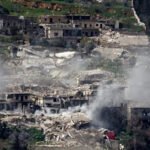
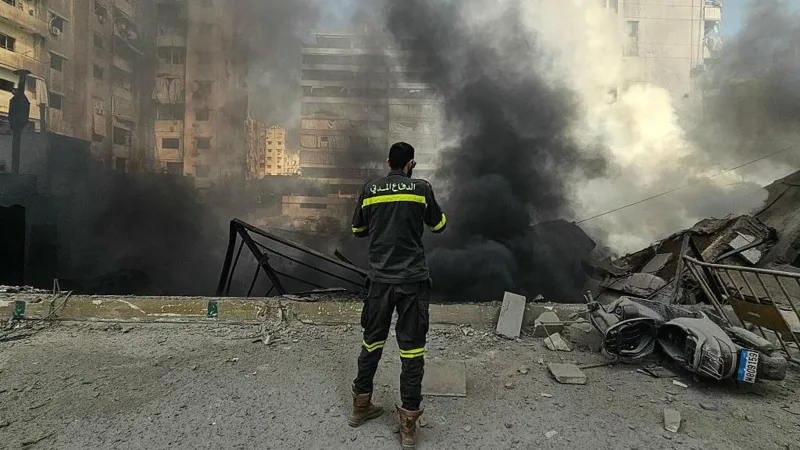
After intense Israeli airstrikes, Beirut residents are experiencing fear, confusion and exhaustion. Families spent their nights in parks or on crowded streets, as shelters were quickly outnumbered.
Dahieh, a suburb of Beirut in the south, was the main target. Israel claims it has struck Hezbollah facilities.
For many civilians, the current situation is just another chapter in an extensive history of war.
Family Forced from their Homes
Dunia Hassaballaa, 14, said that the past week was terrifying for her and her family. As soon as they heard the order to evacuate, they left and joined traffic headed towards central Beirut.
The family was unable to locate a place of safety after arriving.
She said, “We couldn’t sleep at all last night.” We kept on watching the news, because we were concerned about our house.
Other families face the same problem. While they await updates on the conflict, many people sleep in their cars, sidewalks or public parks.
Aid groups Struggle for the Help of Displaced
Workers at a cultural café prepared carrot soup for schools hosting families displaced during Ramadan. These meals were intended for Iftar (the evening meal to break the fast).
He said that during the war, the café also provided free meals. The community donated money to help them carry on their work. Many volunteers are now exhausted from years of war.
He said, “We believed the war was over.” Now people want us to restart, but we lack the energy.
Leaders warn of possible humanitarian crisis
Nawaf Salm, the prime minister of Lebanon, has warned that mass migration could become a humanitarian crisis.
The political and humanitarian effects could be unprecedented, if fighting continued.
Other international leaders have also expressed their concern. French President Emmanuel Macron called the situation extremely dangerous, and demanded immediate restraint.
Macron called on Hezbollah not to fire rockets into Israel. Macron also urged Israel not to launch a massive ground operation in Lebanese territories.
Residents fear another long war
The conflict is different for older residents.
Mohamed Baydoun said that he had lived through many wars during his life. He believes that the situation is more grave now.
Israel continues to strike southern Lebanon, he said, even after the ceasefire in November 2024.
The fear of young Dunia is personal and immediate.
She said, “It is too soon for Lebanon to be facing another war.”