
Luxury Private Jets Take Center Stage in Asia
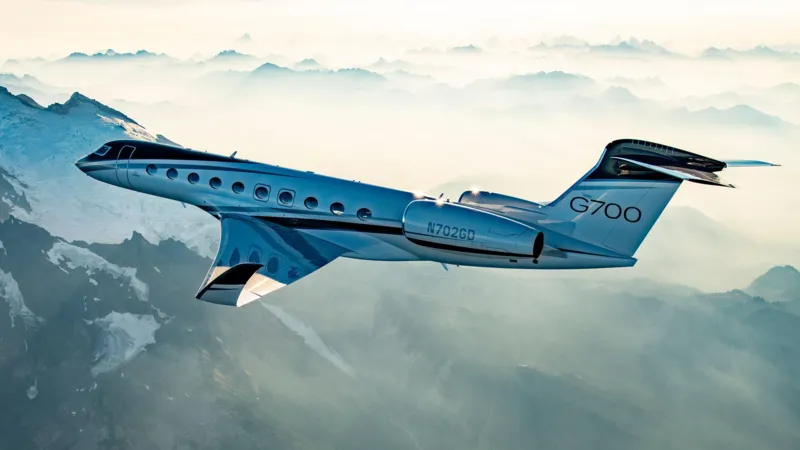
At the Singapore Airshow, one aircraft quietly stole the spotlight. Gulfstream’s G700 stood apart from commercial planes and military jets. Its sleek wings, wide oval windows, and smooth design drew long lines of visitors despite the heat.
Inside, sales teams held private talks with potential buyers. These jets cost tens of millions of dollars, so every conversation matters.
Step into the cabin and the appeal is clear. Natural light fills the space. Pale leather seats and polished wood finishes create a calm, refined setting. The aircraft includes separate living areas, a lounge with a sofa and TV, and even a private suite with a shower.
This is not just about comfort. It shows how the aviation market is changing.
Rising Demand from the Ultra Wealthy
Commercial airlines focus on moving large numbers of passengers. In contrast, private jet makers now target a smaller but far wealthier group.
The numbers support this shift. In 2025, private jet flights reached around 3.7 million worldwide. That is 5 percent higher than 2024 and about 35 percent above pre pandemic levels, according to WingX.
At the same time, the number of ultra high net worth individuals has surged. Between 2020 and 2025, people worth more than 30 million dollars increased by over 70 percent globally.
Scott Neal, head of worldwide sales at Gulfstream, says global business expansion drives much of this demand. Companies now operate across continents. They need faster and more direct travel options. Private jets offer flexibility and save valuable time.
Competition Heats Up Among Jet Makers
Gulfstream faces strong competition. Dassault, Bombardier, Embraer, and Textron Aviation all compete in the business jet market.
Dassault Aviation, known for its military aircraft, promotes its Falcon jets as efficient and performance focused. The company says it uses advanced technology from its combat aircraft to improve comfort and fuel efficiency in business jets.
Carlos Brana, head of civil aircraft at Dassault, argues that private jets make financial sense for frequent flyers. Over time, regular private travel can cost less than repeated first class bookings.
He also stresses that most clients value efficiency over extravagance. They want direct routes, fewer stopovers, and minimal travel fatigue. Interiors focus on comfort and quality materials, not over the top luxury.
Comfort and Efficiency Drive Sales
Reducing travel fatigue has become a major selling point. Manufacturers now improve cabin air pressure, lower noise levels, and design interiors that support rest.
Some aircraft maintain cabin pressure closer to ground level. Companies claim this helps passengers feel less tired after long flights.
However, critics raise environmental concerns. Private aviation produces higher emissions per passenger compared to commercial flights. As the market grows, pressure on manufacturers to adopt cleaner technologies will likely increase.
The Future of Private Aviation in Asia
Asia’s growing wealth continues to fuel demand for luxury private jets. For corporations and high net worth individuals, speed, privacy, and global reach matter more than ever.
As commercial airlines chase volume, private jet makers focus on exclusivity and efficiency. The race for Asia’s super rich has clearly taken off.