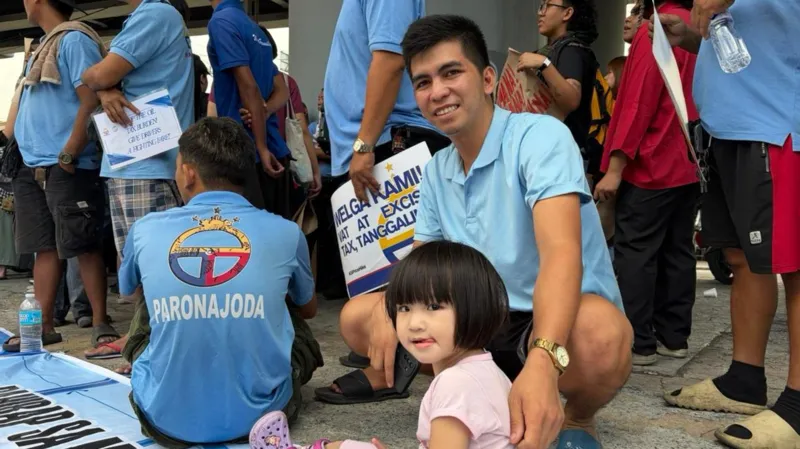
Transport workers from Manila are on strike to protest the rising fuel costs. Since the Iran War began on February 28, diesel and petrol prices have doubled, putting the Philippines in a state of national energy crisis.
The Drivers are Hard Hit
The driver, 62 years old, shared with us that he had no money to feed his children. Many drivers struggle to cover their daily costs and pay for rent. Many, such as Guillermo Japole, 62, and Anjo Lilac (28), said that they had never received aid. Some jeepney operators are returning home to find other jobs.
The Strike coincides with the New Oil Shipment
A ship carrying more than 700,000 barrels Russian crude arrived in the country to start the two-day protest. Sara Sky is a vessel flying the flag of Sierra Leone, and it’s part of government efforts to find new sources for oil. The President Ferdinand Marcos pledged that he would reduce the country’s dependence on the oil flowing through the Strait of Hormuz. This is the source of 98% of its fuel.
Worker’s Demands
The transport coalitions that are leading the protest have made a list of major demands. The coalitions want to scrap fuel taxes, reduce oil prices, and reverse deregulation. Others are calling for wage and fare hikes.
Drivers of Jeepneys, motorcycles, and cars that offer ride-sharing services participated in the protests throughout the capital. The protesters held signs calling on the government to take action and offer more assistance.
Impact on Commuters
Manila, Arnold Irinco (52), waited for 30 minutes to get a government-sponsored ride. He understood the drivers’ strike despite his inconvenience.
Cash aid is not as helpful to drivers who say that direct actions such as reducing the cost of food, water, electricity and fuel would be better than cash assistance. Our families are struggling to survive. “Cutting prices is the best solution to this problem.”