
What Steak Says About Presidential Personality
On Presidents Day, Americans often reflect on leadership and history. However, beyond policy and speeches, food also tells a story. In fact, steak has quietly linked generations of presidents, from the founding era to today.
Although steak sometimes appeared at formal state dinners, it more often showed up at private meals in the White House or at Camp David. Culinary historian Adrian Miller has noted that a president’s dinner plate can reveal something deeper about character. According to him, Americans want their leaders to feel exceptional yet familiar at the same time.
Moreover, food preferences often make presidents seem more relatable. When leaders enjoy classic American dishes, it connects them to voters. By contrast, favoring foreign cuisine has occasionally drawn criticism.
Here’s how several presidents preferred their steak, based on memoirs, cookbooks and historical records.
George Washington
Long before modern steakhouses, Washington reportedly enjoyed beefsteak and kidney pie. During the 18th century, cooks often baked steak into savory pies rather than serving it as a single cut.
Because Washington struggled with dental problems and wore dentures, softer preparations likely suited him better. As a result, pies may have been both practical and traditional.
Theodore Roosevelt
Roosevelt loved rugged outdoor life. Therefore, his meals often matched that spirit.
During his well known 1903 Yosemite camping trip with naturalist John Muir, he reportedly ate grilled steaks cooked over open flames. Later, after reading Upton Sinclair’s novel The Jungle, Roosevelt pushed for the 1906 Meat Inspection Act, which reshaped food safety laws.
William Howard Taft
Taft became famous for his large breakfasts. According to White House accounts, he regularly ate a 12 ounce steak each morning with toast and coffee.
Even when dieting, he simply reduced the portion to six ounces. At the time, steak symbolized prosperity and growth, which reflected the early 1900s mood.
Dwight D. Eisenhower
By the 1950s, backyard grilling had grown popular across America. Accordingly, Eisenhower embraced that trend.
He installed a grill on the White House rooftop near the solarium and often cooked his own steaks. Reports say he preferred them rare, rubbing the meat with oil and garlic before placing it over hot coals.
John F. Kennedy
Kennedy’s health shaped his meals. Because he dealt with ongoing digestive problems, he chose simple dishes.
Reports suggest he favored lightly seasoned steak with basic vegetables like peas and mashed potatoes. In this case, comfort mattered more than bold flavor.
Ronald Reagan
Reagan enjoyed classic American cooking, especially at his California ranch, Rancho del Cielo. While state dinners could be formal, he preferred relaxed meals in private.
However, after doctors found a benign polyp in 1985, he shifted toward a higher fiber, lower fat diet and avoided rare steak.
George H. W. Bush
Bush, closely tied to Texas culture, enjoyed steakhouse dining. During a 1992 campaign stop in Oklahoma City, he ordered a T bone steak charred but rare.
Even later in life, steak remained part of his routine. His son recalled that during a hospital stay, a steak from Morton’s Steakhouse was delivered to him.
Bill Clinton
Before adopting a mostly plant based diet, Clinton enjoyed hearty steak dinners. Former White House chefs noted that he often requested a large porterhouse with béarnaise sauce and onion rings, especially when dining alone.
Donald Trump
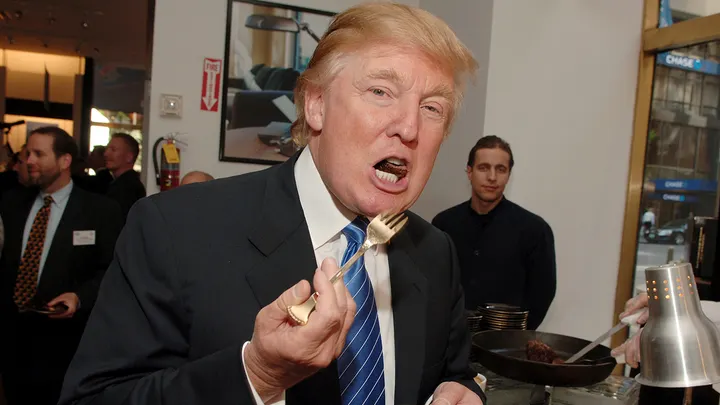
In 2017, Trump ordered a dry aged strip steak cooked well done during an early dinner in Washington. He famously prefers his steak thoroughly cooked and served with ketchup.
Although steak preferences vary widely, his choice sparked public debate. Still, taste remains personal, even in the Oval Office.