
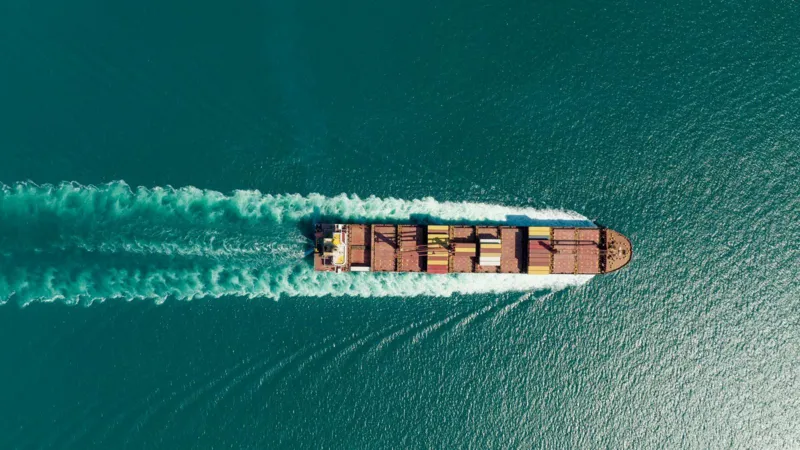
After weeks of conflict, a French container ship successfully crossed the Strait of Hormuz.It completed its voyage as global shipping lanes begin to move cautiously again. Media reports confirmed that the company had made the trip, and analysts pointed out that this was the first large Western ship to cross since tensions escalated.
Waterway Restricted, but not Fully Closed
Recent conflict in the Strait of Hormuz has disrupted oil and gas traffic. Many operators have had to stop or delay their movement in the region because of attacks on several ships.
Shipping activity has dropped dramatically, despite Iran’s declaration that all vessels are welcome to pass. Many ships avoided sailing along the central route, and instead chose to sail closer to Oman’s coast to minimize risk.
Transit of Other Ships
A Japanese vessel carrying natural gas, along with the French ship, also safely exited this strait. The operator of the ship confirmed that crew members and cargo were safe. The operator confirms that the limited movement of maritime cargo is still taking place, under strict safety measures.
Sharp Drop in Shipping Traffic
Before the war, the Strait of Hormuz was regularly used by hundreds of vessels. Reports suggest traffic is down 95 percent. In late March only 100 ships managed to pass, which is an average of five or six vessels per day.
Global Economic Impact
Strait of Hormuz is a major route for transporting liquefied gas and oil. This route is critical to the global energy market.
Oil prices soared as shipping declined. The rise in oil prices has led to a global increase in fuel costs and concerns over inflation. This situation threatens to increase the price of basic goods like food, medicine, and electronic devices.