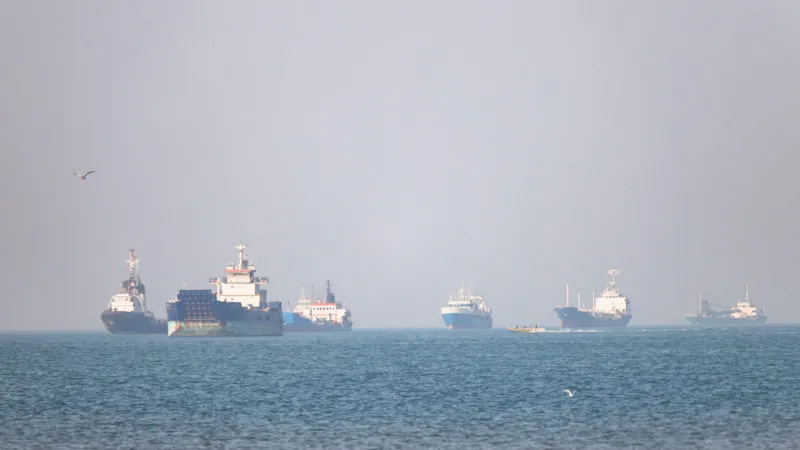
Ceasefire Under Pressure as US and Iran Clash Over Key Waterway
Control of the Strait of Hormuz has become the most critical issue in the current Gulf crisis. The ceasefire, now four weeks old, is starting to weaken as tensions rise between the United States and Iran.
Both countries claim they want a deal, but their demands remain far apart. Talks held in Islamabad ended without progress, despite early hopes for diplomacy. Pakistan continues efforts to restart dialogue, but success remains limited so far.
Rising Risk of Miscalculation
The situation has become increasingly fragile. Misunderstandings and wrong assumptions could quickly push both sides back into conflict. Even a small incident could trigger a larger escalation.
The US decision to escort ships through the Strait of Hormuz has added to the tension. Iran responded strongly, making it clear that such moves will not go unanswered. Now the key question is whether this exchange stops here or leads to further confrontation.
Strait of Hormuz at the Center of the Crisis
Before late February, ships passed through the strait freely without restrictions. That changed after military action by the US and Israel against Iran. Since then, Iran has shown it can control access to this vital route.
Iranian officials have stated there will be no return to previous conditions. The country now views the strait as both a strategic tool and a source of economic leverage. This includes the possibility of charging vessels for passage.
For the US, allowing Iran to dominate the strait would be unacceptable. Such a move could shift the balance of power and turn a tactical win into a long-term strategic loss.
Leadership Decisions and Strategic Challenges
US President Donald Trump faces growing pressure as the situation evolves. His approach has included public appeals to keep oil prices stable, especially for American consumers.
At the same time, Iran has shown strong resistance despite ongoing pressure. Its leadership appears willing to absorb economic and political costs to maintain control and influence.
Critics argue that the US underestimated the complexity of the conflict. Early expectations of a quick resolution have not materialized. Instead, the situation has become more complicated and difficult to manage.
Escalation Still a Real Threat
Escorting a small number of ships does not restore full freedom of navigation. Previously, dozens of vessels crossed the strait daily. Current conditions remain far from normal.
Iran appears ready to escalate if necessary. Its strategy carries risks, but leadership changes and recent losses may be driving a more aggressive stance.
As tensions continue, the region stands at a dangerous crossroads. Without compromise, the risk of a return to full-scale conflict remains high.