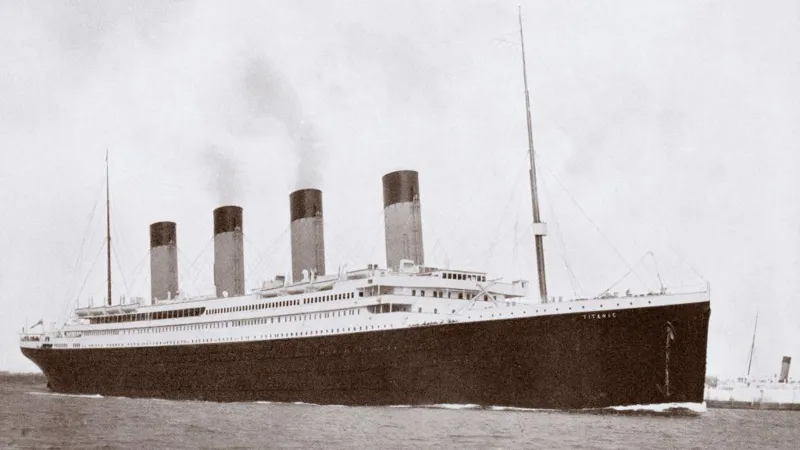
The Titanic was one of the most advanced ships ever built when it set sail in April 1912. It was the largest and most luxurious vessel of its time. The ship featured a powerful electrical system that could generate more energy than many city power stations. Passengers enjoyed Turkish baths, a swimming pool, a gym, and well-designed cabins even in third class.
New Access to Historic Ship Plans
More than 114 years after the Titanic sank, its original technical drawings and design plans will be made available to the public for the first time. These documents are part of a much larger archive that includes hundreds of thousands of ship plans and historical records.
Where the Titanic Was Designed
The Titanic was designed at the Harland & Wolff shipyard in Belfast. The same company also designed its sister ships, Olympic and Britannic. Today, the drawing office building is preserved and even operates as a hotel.
The full archive of ship plans is kept at the Ulster Folk Museum and managed by National Museums Northern Ireland. It is stored at the Cultra Collections Store, where efforts are underway to catalogue and preserve the documents.
Titanic’s Tragic Voyage
The Titanic set sail from Southampton to New York in April 1912. It struck an iceberg during its maiden voyage and sank within hours. The disaster claimed the lives of more than 1,500 people.
Although the ship met safety regulations of the time, it carried lifeboats for only about half of the passengers on board. The vessel was designed with watertight compartments that could keep it afloat if up to four were damaged. However, five compartments were breached after the iceberg collision, which led to the sinking.
Discovery of the Wreck
The wreck of the Titanic was discovered in 1985 by a team led by Dr Robert Ballard. It lies about 2.5 miles deep in the North Atlantic Ocean, roughly 370 miles off the coast of Newfoundland, Canada.
Sister Ships and Legacy
The Titanic had two sister ships. The HMHS Britannic sank in 1916 after hitting a German mine during World War One. The RMS Olympic, however, remained in service for 24 years and became a successful trans-Atlantic liner.
Ongoing Archival Project
A major project titled From Drawing Board to Slipway is currently working on cataloguing the archive. The project receives support from the Archives Revealed grant programme. According to archivist Siobhan McLaughlin, the archive will help reveal important stories about Belfast’s shipbuilding history.