
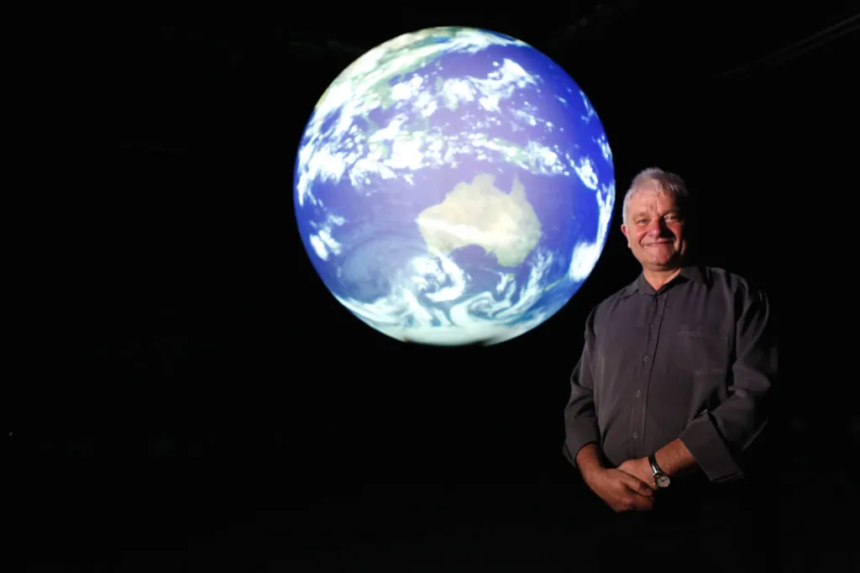
One of Britain’s most respected scientists, Nobel Prize winner Prof Sir Paul Nurse, has criticised the UK’s current visa rules for researchers, saying they are damaging the country’s scientific future and economic strength.
Sir Paul said that high visa fees and strict requirements are pushing talented young researchers away from the UK, while other nations, including China and Singapore, are actively welcoming them with open arms.
He warned that the UK is “shooting itself in the foot” by making it harder for scientific talent to enter the country. According to him, early-career researchers, the very people who drive innovation and economic growth, are choosing to build their careers elsewhere because the UK puts “unnecessary hurdles” in their way.
As the new President of the Royal Society, Sir Paul highlighted that the UK’s scientific ecosystem is already “fragile” due to a mix of rising visa costs, limited research funding, and tougher immigration rules.
He urged the government to reassess policies such as the annual NHS surcharge and the requirement for scientists to show significant savings before arriving. He argues these rules send the wrong message and make it more challenging to attract the world’s best minds.
While supporters of the current visa system say higher fees help fund the NHS and address public concerns about immigration, many experts believe the impact on science is too damaging to ignore.
Even the Centre for Policy Studies, a centre-right think tank pushing for lower migration, acknowledges the issue. Policy expert Karl Williams agrees that scientific visas should be easier to obtain, though he argues that the UK must maintain strict overall migration limits following a major surge between 2021 and 2024.
However, Home Office statistics show that the number of visas granted to natural and social science workers is small just 323 people in the most recent quarter. Williams noted that even doubling this number wouldn’t significantly impact overall immigration, suggesting more flexibility could be introduced for scientific roles.
Sir Paul’s message is clear: if the UK wants to stay competitive, it must make it easier, not harder, for global scientific talent to come and contribute.