
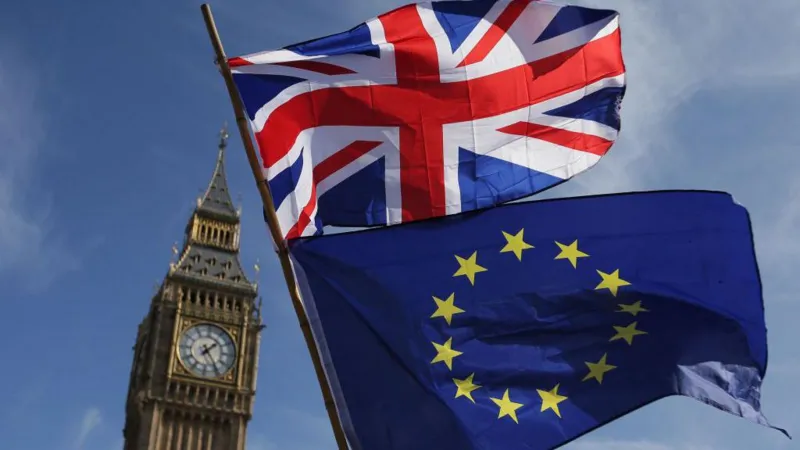
UK moves toward tighter alignment with EU rules
Prime Minister Keir Starmer is pushing for a closer working relationship with the European Union, following commitments first outlined during the 2024 general election. The plan includes ongoing talks between the UK and EU on food and drink standards, carbon emissions, and electricity cooperation.
A key part of the proposal is “dynamic alignment.” This would mean the UK not only matches current EU rules in selected areas but also continues updating its regulations as EU laws evolve.
Parliament role and concerns over oversight
The government plans to bring legislation forward later this year. MPs will vote on the main framework. After that, many future changes could be handled through secondary legislation.
That approach has raised concerns among opposition parties. Critics argue it reduces direct parliamentary scrutiny over rule changes that follow EU updates.
Political backlash over sovereignty
Conservative and Reform UK leaders strongly oppose the plan. Andrew Griffith, the shadow business secretary, warned it could turn Parliament into a passive body while EU rules shape UK policy.
Nigel Farage also criticised the approach, saying it allows rule adoption without real influence over decision making. He described it as a reversal of the Brexit referendum outcome.
Supporters of the policy argue that targeted alignment could improve trade efficiency and economic stability, even if it limits independent rule making in certain sectors.
Starmer links policy to global instability
Starmer has framed the shift as a response to rising global uncertainty. He argues that closer cooperation with Europe strengthens the UK position in an unstable world.
He has also suggested that Brexit has harmed economic performance and that deeper cooperation could help repair some of that damage.
Political strategy and shifting debate
The issue was once handled cautiously by Labour leadership due to concerns about voter sensitivity on Brexit. However, changing public opinion and growing political pressure have made the topic more prominent.
Recent polling suggests Brexit is less popular than in previous years. At the same time, Labour is facing pressure from progressive voters who want stronger ties with Europe.
Limits of the current approach
Despite the new direction, the government is not proposing a return to the single market or customs union. That means the UK would not reintroduce free movement of people or abandon its independent trade agreements.
This middle path is likely to keep the debate active within both Parliament and the Labour Party.