
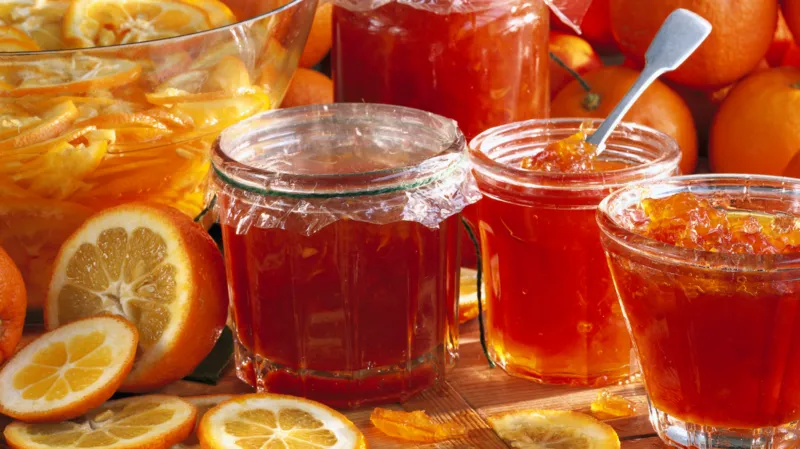
The UK government is considering changes to marmalade labelling as part of a new food agreement with the EU. If the deal is approved, jars of the traditional spread may need to be labelled as “citrus marmalade” in shops across the UK.
This update is linked to changes in EU food laws aimed at improving trade and reducing barriers for exporters. While the product itself will stay the same, the naming rules could shift to match international standards.
Why the Name Marmalade Is Changing
Under current UK rules, marmalade refers only to spreads made from citrus fruits like oranges. This definition dates back to regulations adopted before Brexit. Other fruit spreads are usually called jam.
The EU is now expanding its definition. From June, non citrus fruit spreads can also be marketed as marmalade across Europe. However, citrus based versions will need to be labelled more clearly as “citrus marmalade”.
This change follows long standing debates across Europe, where the word marmalade has been used differently in languages such as German, Spanish, and Italian.
Impact on UK Consumers and Businesses
The UK government says the product itself will not change. Shoppers will still find the same marmalade in stores. The difference will be in how it is labelled.
Officials say the updated rules could help British producers export more easily by reducing red tape. The aim is to align with global standards and improve trade with EU markets.
However, some concerns remain. Earlier assessments suggested that new naming rules could confuse consumers in the UK. It is still unclear whether products like “strawberry marmalade” will be allowed in British supermarkets.
When Will the Changes Happen
The timeline is not fixed yet. The changes may come into effect around 2027 if the wider EU food deal is agreed. It is also unclear whether the rules will apply before or after that date.
What This Means for the Future
This update reflects ongoing efforts to align UK food regulations with international systems. While it may seem like a small change, it highlights how trade agreements can influence everyday products and their labels.