US unemployment climbed in November to its highest level in four years, adding to signs that the labour market is losing momentum, even as hiring modestly exceeded expectations.
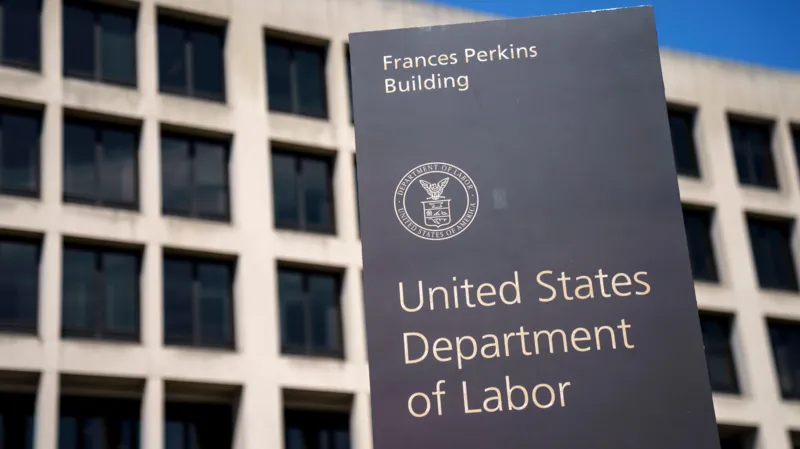
According to Labor Department figures released Tuesday, the unemployment rate rose to 4.6%, up from 4.4% in September. At the same time, employers added 64,000 jobs, a figure that surprised some economists who had expected weaker growth.
Job Gains Offset by Earlier Losses
Although November saw job growth, it followed a sharp decline in October. During that month, payrolls fell by 105,000 jobs, largely due to the loss of 162,000 federal government positions. Those cuts stemmed from the Trump administration’s earlier push to reduce the size of the federal workforce.
Notably, the November report marked the first full look at the labour market since the lengthy US government shutdown, which disrupted the release of key economic data.
The Labor Department also revised down job gains for August and September, showing that hiring was weaker than first reported.
Fed Faces Divided Signals
While the data points to growing softness in the job market, economists say it is unlikely to settle internal debates at the Federal Reserve. Policymakers continue to weigh two competing pressures: slowing employment growth on one side and persistent inflation on the other.
Last week, the Federal Reserve cut interest rates by 0.25 percentage points, its third reduction this year, aiming to support the cooling labour market. Current projections suggest most Fed officials expect only one rate cut in 2026. However, further signs of weakness could push them toward additional easing next year.
Still, analysts caution that the latest report presents a murky picture.
“For a data-dependent Fed, today’s figures only deepen the internal debate,” said Chris Zaccarelli, chief investment officer at Northlight Asset Management. He added that policymakers must decide how much weight to give labour market weakness versus inflation that remains above the Fed’s 2% target.
Data Complications From Shutdown
The unusual timing of the report added to the uncertainty. Normally released on the first Friday of each month, the November jobs data arrived late due to the 43-day government shutdown, which left key statistical agencies understaffed.
In addition, the Labor Department released partial October figures alongside the November report. Economists noted that many government workers affected by job cuts earlier in the year did not officially drop off payrolls until October, distorting those numbers.
Winners and Losers Across Sectors
Job growth in November varied widely by industry. Health care led the gains, adding 46,000 jobs, including 11,000 positions in nursing and residential care facilities. Construction also expanded, with 28,000 new jobs, continuing a steady trend seen over the past year.
However, other sectors struggled. Transportation and warehousing shed 18,000 jobs, while manufacturing employment fell by 5,000.
Long-Term Unemployment Rises
The report also highlighted a worrying increase in long-term unemployment. In November, 1.9 million people had been out of work for more than six months, up from 1.8 million in September and 1.7 million a year earlier.
That trend reflects the experience of many job seekers, including software engineer Ivan Maurizi. After losing his job in the video game industry last December, he spent nearly a year applying for roles with little success. Despite eventually securing a position at a bank, he says uncertainty still looms, especially as artificial intelligence reshapes his field.