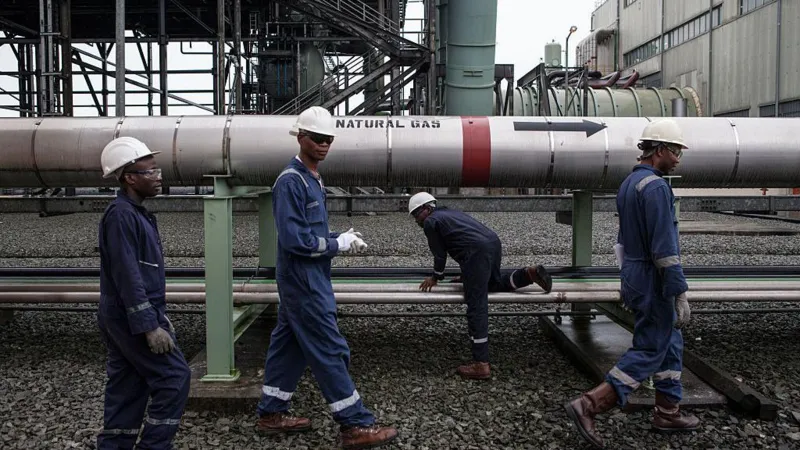
West African leaders have taken an important step toward one of Africa’s most ambitious energy projects by approving the legal and governance framework for the Nigeria–Morocco Atlantic Gas Pipeline. The decision moves the long-planned project closer to construction and highlights growing cooperation among African nations to strengthen regional energy security.
If completed, the pipeline will connect Nigeria’s vast natural gas reserves with Morocco before linking to Europe’s existing gas network through Spain. Beyond supplying natural gas, the project is expected to support economic growth, improve electricity access, and create new investment opportunities across several African countries.
In this article, we explain the latest approval, how the project will work, its expected benefits, the challenges ahead, and why it could become one of Africa’s most significant infrastructure developments.
Quick Facts
| Feature | Details |
|---|---|
| Project | Nigeria–Morocco Atlantic Gas Pipeline |
| Length | Approximately 6,000 km |
| Countries Involved | 14 African nations |
| Estimated Investment | Around US$25 Billion |
| Annual Capacity | About 30 Billion Cubic Meters |
| Current Status | Legal framework approved |
| Expected Construction | Planned from 2028 (subject to project progress) |
What Was Approved?
The latest agreement establishes the legal and governance framework required for participating countries to continue developing the project. While this approval does not mean construction will begin immediately, it provides greater certainty for governments, investors, and technical partners involved in planning the pipeline.
The project still requires additional engineering work, financing arrangements, and environmental assessments before large-scale construction can begin.
Why the Pipeline Matters
Nigeria possesses Africa’s largest proven natural gas reserves, making it a natural supplier for this regional energy corridor.
Once operational, the pipeline is expected to transport approximately 30 billion cubic meters of natural gas each year, helping improve energy availability across multiple West African countries while also creating export opportunities through Morocco.
Supporters of the project believe it could strengthen regional energy cooperation and reduce dependence on imported energy in some participating countries.
Economic Opportunities
Large infrastructure projects often generate economic activity beyond construction itself.
If the pipeline progresses as planned, participating countries could benefit from:
- New construction and engineering jobs
- Greater private-sector investment
- Expansion of manufacturing industries
- Improved electricity generation
- Increased regional trade
Reliable energy supplies may also encourage businesses to expand operations, potentially supporting long-term economic development.
Potential Benefits for Europe
Europe has continued exploring ways to diversify its energy sources over recent years. If completed, the Nigeria–Morocco pipeline could provide another route for natural gas exports into European markets through existing connections in Morocco and Spain.
However, future export volumes will depend on production capacity, commercial agreements, and market conditions at the time the project becomes operational.
Challenges Ahead
Although the latest approval represents meaningful progress, several challenges remain before construction begins.
Some of the key issues include:
- Securing long-term financing
- Coordinating policies among participating countries
- Completing detailed engineering studies
- Managing environmental and regulatory requirements
- Ensuring long-term project security
Addressing these issues will be essential to keeping the project on schedule.
Looking Beyond Construction
The significance of the Nigeria–Morocco Atlantic Gas Pipeline extends beyond transporting natural gas.
Supporters argue that the project could encourage closer economic cooperation among West African nations while improving regional infrastructure and strengthening Africa’s position in international energy markets.
Whether these long-term goals are achieved will depend on effective project management, continued political cooperation, and successful implementation over the coming years.
Frequently Asked Questions
What is the Nigeria–Morocco Atlantic Gas Pipeline?
It is a proposed natural gas pipeline designed to connect Nigeria with Morocco while passing through several West African countries before linking to Europe’s gas network.
How long will the pipeline be?
Current plans estimate a total length of approximately 6,000 kilometers.
How many countries are involved?
The project is expected to involve 14 African countries along the Atlantic coast.
When could construction begin?
Current plans indicate construction may begin from 2028, although timelines can change depending on financing and technical preparations.
Why is this project important?
The project aims to improve regional energy access, strengthen economic cooperation, support industrial development, and create new export opportunities.
Conclusion
The approval of the legal framework marks another milestone for the Nigeria–Morocco Atlantic Gas Pipeline, but significant work remains before construction begins. Financing, technical planning, and coordination among participating countries will determine how quickly the project moves forward.
If successfully completed, the pipeline has the potential to reshape regional energy infrastructure, strengthen economic ties across West Africa, and provide new opportunities for both African and European energy markets.