The 2026 World Cup will be shared across North America, with matches staged in the United States, Canada, and Mexico. It is the first time three countries will jointly host the tournament, creating both excitement and concern about how smoothly cooperation will work.
Fans will travel across 16 cities spread across the three nations, but the political climate between them has been far from calm.
Rising Political and Trade Tensions
Relations between the three hosts have been strained in recent years. Issues linked to trade, immigration, and security have created friction, especially between the United States and its neighbours.
The United States, led by President Donald Trump, has taken a firm stance on trade and border control. This has led to tensions with both Canada and Mexico, who depend heavily on US trade ties.
Donald Trump has also faced criticism from Canadian officials after comments about Canada and trade pressure measures that affected imports and travel patterns.
Canada and Mexico Respond
Both Canada and Mexico have pushed back against US policies. Canada introduced countermeasures after tariffs and expressed frustration over political remarks and trade pressure.
Canada also reduced certain imports and saw a drop in travel to the United States during tense periods. These moves added pressure on economic relations.
Mexico has also faced scrutiny over investment routes and border concerns, which has complicated its relationship with both neighbours.
These tensions have even affected relations between Canada and Mexico themselves, as both countries reassess their dependence on the US market.
World Cup Logistics and Security Concerns
Organising a tournament across three countries creates major logistical challenges. Fans will move between borders, and immigration checks may slow down travel.
Security concerns are also expected to play a role, especially with ongoing global political tensions influencing border controls and event safety planning.
Sports experts say co hosted tournaments do not always improve political relations. Past events in other regions show mixed results, where cooperation improved temporarily but deeper issues remained unresolved.
Pressure on Host Cities
Mexico faces additional domestic pressure while preparing for the tournament. Concerns have been raised about transport systems, airport capacity, and stadium readiness in major cities.
Mexico is also dealing with protests over public sector conditions, which could affect movement during match days if tensions rise further.
Despite these challenges, organisers hope the World Cup will bring long term benefits and improved infrastructure.
FIFA’s Vision of Unity
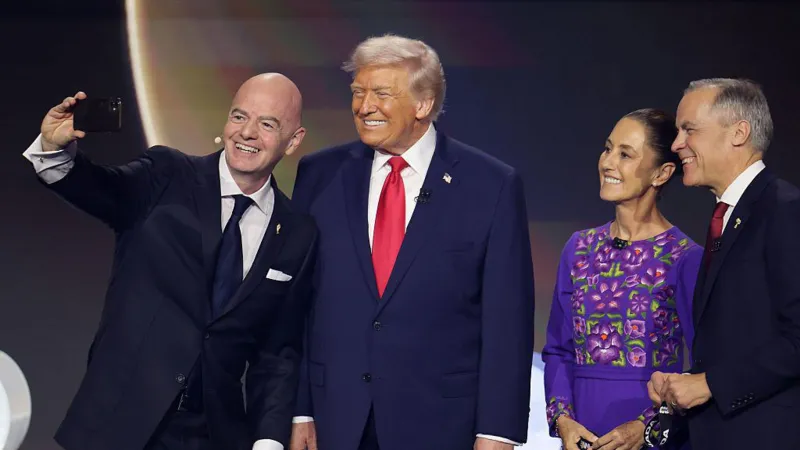
FIFA has presented the tournament as a symbol of unity across North America. Officials believe the event can bring countries together through sport, even if political disagreements remain outside stadiums.
However, experts warn that shared hosting does not guarantee harmony, especially when underlying political and economic disputes are still active.
Can Football Bridge the Divide?
The success of the 2026 World Cup will depend not only on matches but also on how well the three host nations manage cooperation behind the scenes.
If coordination works, it could strengthen relationships. If tensions rise, they may become more visible on a global stage.
For now, the world is watching to see whether sport can soften political friction across North America.