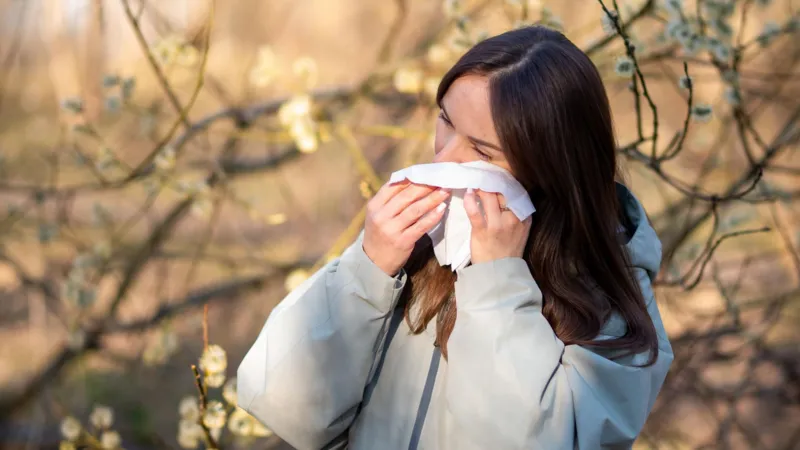
Hay fever is becoming a bigger problem for millions of people. A new global review shows that symptoms now last up to two weeks longer than they did in the 1990s. The main reason is climate change, which is extending the pollen season and making daily life harder for allergy sufferers.
Why Hay Fever Is Getting Worse
Scientists studied common trees such as birch, alder, and olive. They found that pollination now starts earlier than before. In many cases, it begins one to two weeks sooner compared to past decades.
Warmer temperatures are the key factor. Plants are flowering earlier and for longer periods. This means pollen stays in the air for more time.
Dry and warm weather also spreads pollen faster. This creates intense periods often called “pollen spikes.” During these days, symptoms can suddenly become severe.
Common Symptoms People Experience
Hay fever affects people in different ways, but some symptoms are very common:
- Itchy and watery eyes
- Frequent sneezing
- Runny or blocked nose
- Headaches and tiredness
For some people, symptoms go beyond mild discomfort. Poor sleep, missed workdays, and reduced focus are common. Students may even see an impact on their academic performance.
Health Risks Linked to Pollen
Pollen does more than cause irritation. It can trigger serious health issues in some people.
Those with asthma or other lung conditions are at higher risk. Pollen can inflame the airways and make breathing difficult. In severe cases, it can lead to asthma attacks or flare ups of chronic respiratory diseases.
Because of this, managing symptoms early is important.
Best Ways to Manage Hay Fever
There is no permanent cure for hay fever, but symptoms can be controlled with the right approach.
Experts suggest using a combination of treatments:
- Non drowsy antihistamine tablets for daily relief
- Steroid nasal sprays to reduce inflammation
- Eye drops to soothe irritation
These medicines work in different ways and are generally safe. Most are available without a prescription. A pharmacist can guide you on what suits your symptoms.
Simple Tips to Reduce Exposure
Along with medication, small lifestyle changes can help:
- Keep windows closed during high pollen days
- Shower and change clothes after being outside
- Wear sunglasses to protect your eyes
- Avoid outdoor activities early in the morning when pollen levels are high
These steps can lower your exposure and reduce symptom severity.
What This Means for the Future
As temperatures continue to rise, pollen seasons may become even longer. This could increase both the number of sufferers and the intensity of symptoms.
Staying informed and prepared is key. Early treatment and simple precautions can make a big difference in managing hay fever effectively.