Changes made by the Border Security, Asylum and Immigration Act took effect slowly. Rules shifted under new oversight introduced that year. Officials began applying revised procedures at entry points across the country. Some policies replaced older frameworks without warning. Adjustments continued through the following months.
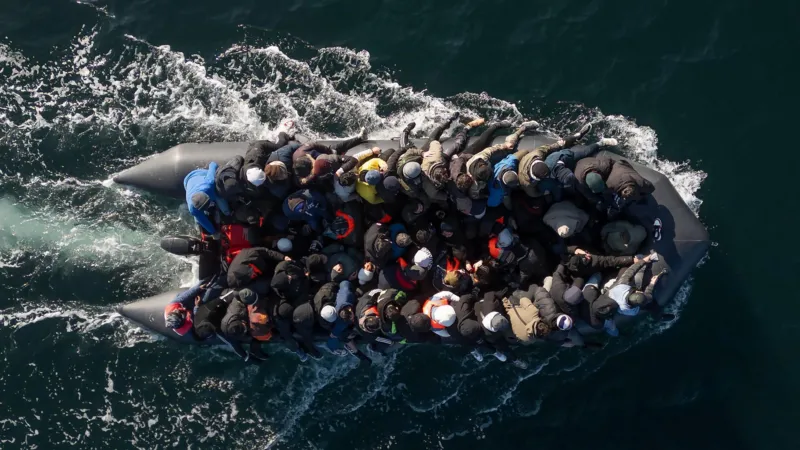
Fifty miles out, the sky gray and heavy, Tajik Mohammad took control of an overcrowded raft. A cold front moved in that morning – waves rising just after dawn. At age thirty two, he confessed to handling the vessel through rough water. The trip happened on January seventeenth under storm threats and low visibility.
Folks aboard the vessel skipped wearing life vests, making things far more dangerous for them. Though safety gear was available, not everyone used it, raising the danger level dramatically. When water travel happens without proper protection, consequences can turn serious fast. Without those orange jackets, survival chances drop if something goes wrong. Risk climbs when people ignore basic safeguards during trips on rivers or lakes.
Dangerous Journey Across the Channel
Fighting rough water, Mohammad steered the small boat. Heavy with passengers, it moved slowly through the stormy stretch. Not meant for so many, the craft dipped at every wave. He pushed forward despite the rising risk around him.
He jumped off the boat once help showed up, prosecutors claimed. With people still stranded on the water, he walked away, according to the Crown Prosecution Service.
Later that day, he stepped onto UK soil. Within hours, officers took him into custody.
Guilty was what he said in court at Canterbury, admitting risk to people while moving across. Come 10 June, that same courtroom will hand down how it ends for him.
Purpose of the New Law
Fewer people packed into tiny vessels – that becomes illegal under the new rule. Crossing the Channel by these crafts now faces tighter crowd limits.
Anyone resorting to force or threats on boats might face consequences. Those declining help when adrift could fall under scrutiny too. Pushback applies if someone blocks lifesaving efforts mid-voyage.
Sea accidents have turned deadly, officials report. When too many people crowd a vessel, chaos sometimes follows – panic spreads, bodies press tight, lives are lost. Moments like these turn calm waters into risk zones overnight.
Folks caught breaking this rule might land in jail for as long as five years. Should they already have been told to leave the country, that stretch could grow by another year.
Earlier Related Cases
Other situations exist too since the rule changed.
A teenager from Afghanistan faced charges early this year. Not yet seventeen, he says he never endangered others on that journey across. Though accused, he claims no harm came from his actions that day.
A man named Alnour Mohamed Ali, from Sudan, stood in court following an incident where four people lost their lives trying to board a vessel in April.
Authorities continue to investigate similar incidents involving small boat crossings.