
Mamata Banerjee, one of India’s most influential and fearless regional leaders, has faced a significant political setback after losing the West Bengal state election. The defeat marks the end of her attempt to secure a fourth consecutive term as chief minister and raises serious questions about her political future.
For over 15 years, Banerjee and her party, the Trinamool Congress (TMC), dominated West Bengal politics. Her leadership became a symbol of resilience in a state known for intense and aggressive electoral battles.
Rise from Student Politics to State Power
Banerjee began her political journey in Kolkata, coming from a modest lower middle class background. She first entered public life through the student wing of the Congress party. Over time, she emerged as a strong anti communist voice in West Bengal.
By the 1980s, she had become a prominent political figure in the state. Her growing influence eventually led her to break away from the Congress party and establish the Trinamool Congress.
Ending a 34-Year Communist Rule
In 2011, Banerjee achieved a historic victory by ending 34 years of uninterrupted Communist Party rule in West Bengal. This win transformed the state’s political landscape and established her as a powerful regional leader across India.
West Bengal, once considered a major cultural and economic hub, had struggled with industrial decline and political stagnation. Her rise was seen as a major shift in the state’s direction.
A Fierce and Fearless Political Style
Banerjee is widely known for her direct and aggressive political style. Supporters often describe her as a “fire goddess” due to her strong presence in street level politics and public protests.
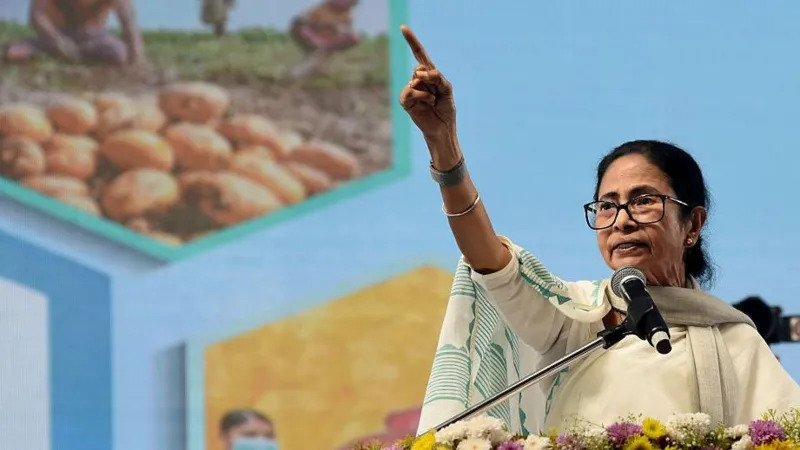
Her image as a leader wearing a simple cotton sari and rubber sandals contrasts sharply with her tough political reputation. Despite her small and simple appearance, she built a strong political movement rooted in grassroots support.
BJP Victory Changes Political Landscape
Her recent defeat to the Bharatiya Janata Party (BJP) signals a major shift in West Bengal politics. The loss ends her long standing dominance and puts her political legacy at a critical turning point.
The result also reflects changing voter sentiment in the state, where political competition continues to intensify.