Authorities target fake listings and unsafe food practices
China has launched a strong crackdown on so called “ghost kitchens” in its fast growing food delivery market. These are online restaurants that appear on apps but have no real physical presence. Instead of running proper kitchens, they often outsource orders to third party vendors that cook and dispatch food at lower costs.
Officials say this system has helped some sellers cut prices and increase profits. However, it has also raised serious concerns about food safety and misleading customers.
Millions of orders linked to hidden supply chains
Investigations have uncovered large scale misuse across major delivery platforms. In one case, a cake business listed hundreds of locations online but reportedly did not operate a single real store. Authorities also found that many orders were passed between multiple platforms before being completed by outside vendors.
According to state reported figures, millions of orders were processed through these indirect systems. Regulators also identified tens of thousands of fake or unverified restaurant listings across major apps.
Pressure builds on delivery platforms
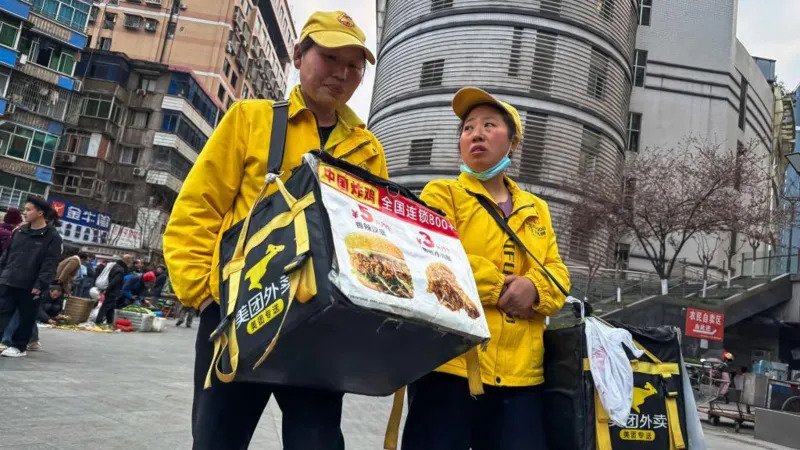
Food delivery companies have come under scrutiny for allowing these listings to grow. Officials say some platforms relaxed checks to avoid losing sellers to competitors. This competition has fueled a price war in the industry, pushing profits lower and increasing pressure on delivery riders who work under tight deadlines.
In response, regulators have already fined several major e commerce platforms for violations linked to fake restaurant listings and unsafe delivery practices.
New rules tighten verification
Authorities have introduced stricter requirements for food delivery apps. Platforms must now verify restaurant licenses, confirm physical addresses, and ensure online listings match real businesses. Sellers must also clearly state whether they operate dine in services or only delivery.
Tech driven monitoring and public reporting
To improve food safety, some cities have started using live kitchen monitoring systems. A number of food stalls have installed transparent kitchen setups where customers can watch food preparation in real time.
In addition, officials are working with major platforms to use AI based systems to detect suspicious listings. Delivery riders are also being encouraged to report illegal or fake restaurants.
Industry impact
The crackdown highlights growing concerns about safety and transparency in China’s food delivery sector. While low prices have driven rapid growth, authorities are now focusing on cleaning up hidden supply chains and restoring trust in online food services.