
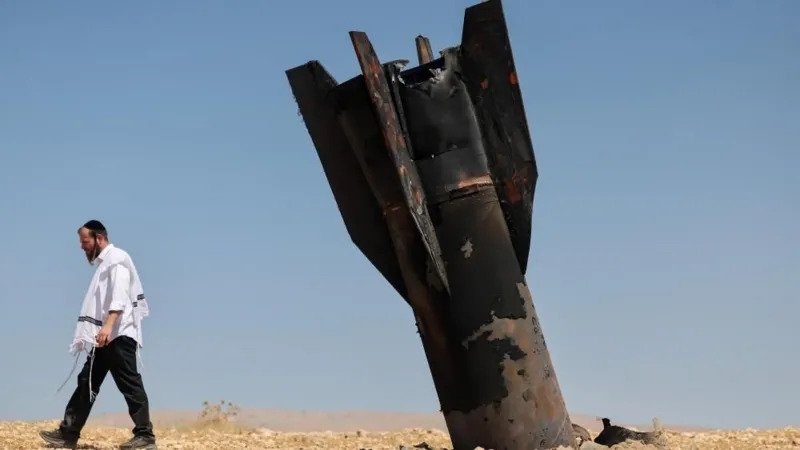
Iran’s latest missile and drone attack on Israel may have caused limited military damage, but its political impact could be far more significant. The strike marks a notable change in Tehran’s approach and may signal a new phase in the ongoing conflict between Iran and Israel.
Why This Attack Was Different
For years, Iran usually launched direct attacks on Israel only after actions targeted Iranian territory, military leaders, or national interests. This time, however, Tehran responded after an Israeli strike linked to Hezbollah in southern Beirut.
The decision suggests Iran is expanding its definition of what it considers a direct threat. By reacting to an attack on a close ally, Tehran appears to be sending a clear message that future attacks on its regional partners may trigger a response from Iran itself.
Iran’s Growing Confidence After Months of Conflict
Iran’s leadership may believe its position has strengthened despite months of military pressure and economic challenges.
The country faced intense pressure from both Israel and the United States. It also continued to deal with sanctions and regional tensions. Despite these challenges, Iran’s government remained in power, its security institutions stayed intact, and large-scale unrest did not emerge.
As a result, Iranian leaders may now view their country as more resilient than many expected. This confidence could be influencing their willingness to take greater risks in regional conflicts.
A Message of Deterrence Rather Than Retaliation
Many analysts believe the attack was designed primarily as a warning rather than simple retaliation.
Iran may want Israel to understand that attacks on members of its regional alliance will no longer be treated as isolated incidents. Instead, Tehran appears ready to respond directly when it believes its strategic interests are threatened.
This message is especially important for groups such as Hezbollah and other allied organizations across the Middle East. Iran’s influence depends heavily on its ability to support and defend its partners when they come under attack.
By acting after issuing warnings, Tehran may be trying to strengthen confidence among its allies and maintain its regional credibility.
Regional Allies Were Watching Closely
The strike was not aimed solely at Israel. It also served as a signal to governments and groups across the region.
Many observers were watching to see whether Iran would follow through on its warnings. A failure to respond could have weakened Tehran’s position and raised questions about its commitment to supporting its allies.
Instead, Iran chose to act, reinforcing its image as a key player in regional security and political affairs.
What This Means for Diplomacy
The timing of the strike has raised new questions about the future of diplomatic efforts.
Recent comments from US President Donald Trump suggested that progress toward an agreement with Iran might be possible. Many expected Tehran to avoid actions that could threaten negotiations.
However, Iranian leaders may believe that demonstrating strength improves their position at the negotiating table. From Tehran’s perspective, showing military resolve could increase its leverage while pursuing diplomatic goals.
Looking Ahead
Iran’s latest strike may represent more than a short-term military operation. It could reflect a broader shift in how Tehran views its role in the region.
Whether this strategy increases deterrence or fuels further escalation remains uncertain. What is clear is that the attack has added a new layer of complexity to Middle East tensions and could influence future relations between Iran, Israel, and their allies.