The prospect of a quick agreement to end the US Iran conflict appears increasingly uncertain. Both sides continue to exchange military strikes while maintaining tough public positions.
The conflict has now entered its seventh month. Economic pressure, military action, and failed negotiations have created a tense and unpredictable situation across the Middle East.
Quick Facts
| What happened | The US and Iran continue military and economic confrontation. |
|---|---|
| Where | Iran, the Strait of Hormuz, and the wider Middle East. |
| When | The conflict has entered its seventh month. |
| Who is involved | The United States, Iran, Israel, and regional trading partners. |
| Current status | No immediate peace agreement appears likely. |
| Why it matters | The conflict affects global trade, energy supplies, and regional stability. |
US Iran Conflict Shows No Clear Signs of Ending
The US Iran conflict shows few signs of reaching a quick conclusion. Recent military strikes and strong political statements have reduced hopes for an immediate agreement.
The United States has also increased economic pressure on Iran. Washington has introduced a sweeping blockade targeting Iran and countries that continue trading with Tehran.
US officials want Iran to return to negotiations. They also want Tehran to stop attacks affecting shipping through the Strait of Hormuz.
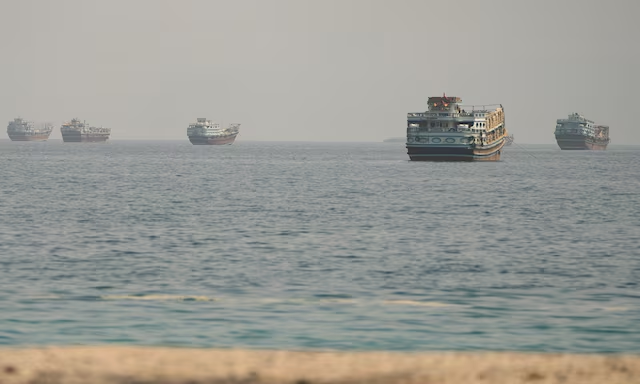
The strategic waterway remains one of the world’s most important commercial shipping routes. Disruption there could affect global oil supplies and international trade.
The June Ceasefire Framework Has Expired
In June, both sides signed a Memorandum of Understanding that aimed to create a permanent ceasefire.
The agreement also gave negotiators 60 days to reach a broader settlement. However, that deadline has now passed without a final deal.
The collapse of that timetable has raised new questions about how the conflict might eventually end.
Three international experts have offered different views on the possible outcome.
Jason Campbell, a senior fellow at the Middle East Institute, believes the United States is still reviewing its broader strategy.
According to his assessment, Washington expected military action to produce faster results. However, the conflict has continued longer than many expected.
The US is now using both military and economic pressure. The goal appears to be weakening Iran’s negotiating position.
Campbell believes the US administration may currently accept a prolonged stalemate. Washington can maintain economic pressure while limiting Iran’s ability to disrupt shipping.
US officials hope sanctions will eventually push Iran back to the negotiating table.
However, Iran may demand major concessions before accepting any final agreement. Those demands could create political problems for the US administration.
Iran Appears Ready to Wait for US Concessions
Iran expects continued economic pressure and occasional military attacks. However, Tehran does not appear willing to surrender its position because of sanctions alone.
The Iranian economy already faces serious difficulties. The war and existing structural problems have increased pressure on the country.
Despite this, Iranian leaders may prefer to wait rather than make major concessions.
Tehran appears interested in finding an exit from the conflict. However, Iran wants the US to return to the earlier agreement or offer meaningful concessions.
Iran does not want to appear as though it has given in to military or economic pressure.
Could the June Agreement Offer a Way Out?
Nicholas Hopton, a former UK ambassador to Iran, believes military and economic pressure will not force Iran to surrender.
He argues that several countries, including China and Russia, may continue trading with Iran despite US restrictions.
Hopton also points to Iran’s ability to disrupt shipping through the Strait of Hormuz.
For that reason, he believes the US already has a possible exit strategy.
His view is that Washington should return to the June ceasefire framework and work towards a long term agreement.
A successful deal could reduce tensions and address concerns about Iran’s nuclear programme.
Sanctions Relief Could Become Part of a Future Deal
One of the most important elements of the proposed agreement involves the possible removal of US sanctions on Iran.
Supporters of this approach believe economic engagement could gradually change Iran’s political environment.
Hopton argues that greater international trade could weaken hardline groups over time.
However, such a process would take years and face serious challenges.
The Islamic Revolutionary Guard Corps has significant influence within Iran’s economy. Any major political or economic change would therefore require patience and long term planning.
Why the Strait of Hormuz Matters
The Strait of Hormuz remains central to the US Iran conflict.
The narrow waterway handles a major share of global energy shipments. Any prolonged disruption could increase oil prices and damage international trade.
The US has reportedly managed to maintain limited shipping through the area. This has helped reduce the risk of an immediate global economic shock.
However, the situation remains fragile.
Continued conflict could create new risks for shipping companies, energy markets, and countries that depend heavily on Middle Eastern oil.
What Happens Next in the US Iran Conflict?
For now, no side appears ready to make major concessions.
The US continues to rely on military and economic pressure. Iran appears prepared to absorb that pressure while waiting for better negotiating terms.
A return to the June framework could offer the clearest path towards de escalation.
However, political disagreements remain significant.
The conflict may therefore continue in a difficult and uncertain pattern. Limited strikes, economic restrictions, and diplomatic efforts could happen at the same time.
Why the US Iran Conflict Matters Globally
The US Iran conflict affects more than the two countries involved.
The crisis has consequences for global oil markets, international shipping, regional security, and the wider world economy.
Diplomatic progress remains possible. However, both sides would need to make difficult political decisions before a lasting agreement becomes realistic.
The strongest possibility may involve renewed diplomacy and a return to earlier ceasefire negotiations.
Until then, the conflict could remain messy, costly, and unresolved. Continued military pressure and economic sanctions may prolong the crisis rather than bring a fast solution.