
Key Developments in Bangkok Shrine Bombing Case
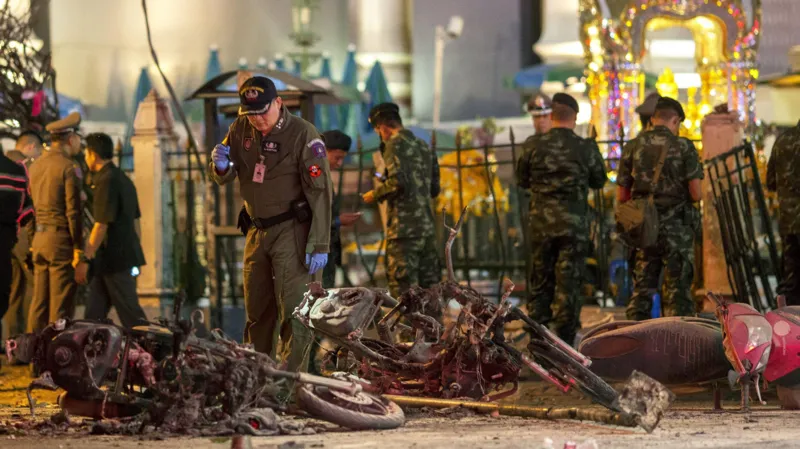
Bangkok witnessed one of its deadliest attacks in 2015 when a bomb exploded near the popular Erawan Shrine, killing 20 people and injuring more than 120 others. A Thai court has now sentenced two men to death after finding them guilty of planning and carrying out the attack.
Court Verdict and Charges
The court ruled that the two convicted men were responsible for the bombing that targeted a busy tourist area in central Bangkok. Both defendants denied involvement throughout the trial. They were identified as members of the Uyghur community from China.
The judge concluded that the evidence showed their involvement in planning and executing the explosion that shocked the country and the world.
Investigation Concerns and Controversy
Questions remain about how the investigation was handled. Authorities faced criticism for quickly clearing the crime scene due to concerns about tourism impact. Important evidence may have been affected during early cleanup efforts.
Security footage played a key role, but much of it was unclear or incomplete. Investigators later presented video showing a suspect placing a bag near the shrine and another person moving a separate explosive device.
Despite early uncertainty, police arrested two suspects within weeks of the attack. One was found hiding in a house outside Bangkok, while the other was detained in a nearby country and later transferred to Thailand.
Trial Developments Over Time
The legal process stretched over many years. Both accused men maintained their innocence during proceedings. The long duration of the case added to public debate about fairness and reliability of the evidence.
Authorities also issued additional arrest warrants for several other suspects, though many were never located.
Impact on Victims and City
The explosion caused widespread panic in one of Bangkok’s busiest intersections. Emergency teams rushed to help the wounded, while bystanders struggled to understand the scale of the devastation.