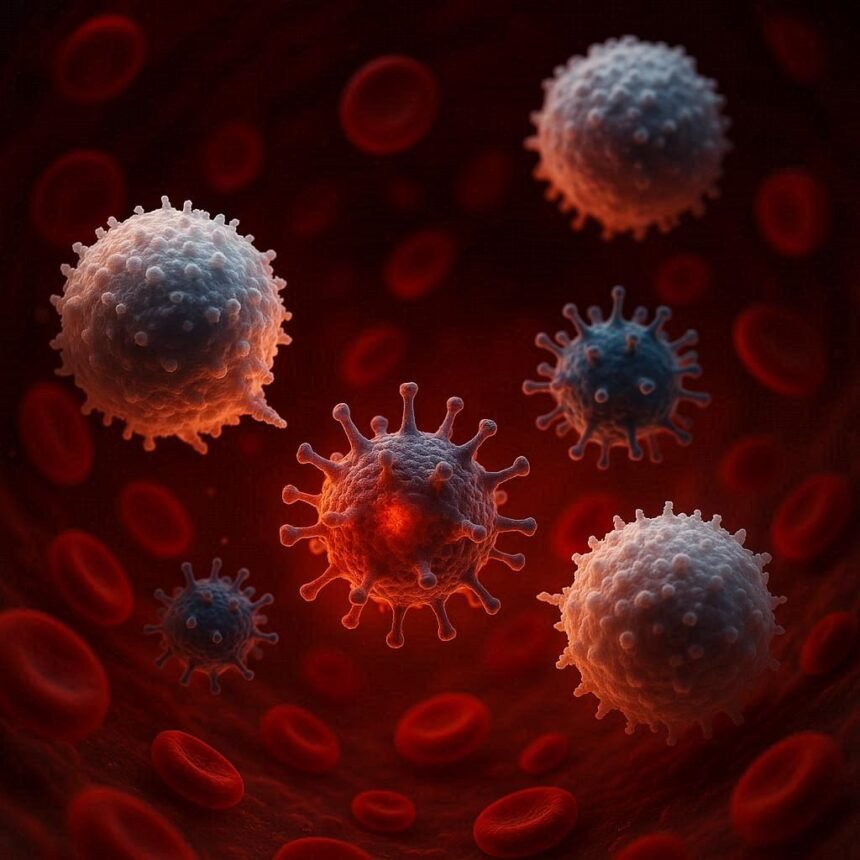
Your immune system does more than fight infections. It can also remember many of the germs it has encountered before. This ability, known as immune memory, helps the body respond more quickly when it meets the same threat again.
B cells and T cells play a major role in this process. After an infection or vaccination, some of these cells can remain in the body and help prepare the immune system for future exposure.
Quick Facts
| Detail | Information |
|---|---|
| What happened | Scientists continue to study how immune memory helps protect the body. |
| Where | Inside the body's immune system. |
| When | Immune memory can develop after certain infections and vaccinations. |
| Who is involved | B cells, T cells, antibodies, and other immune cells. |
| Current status | Researchers are studying ways to improve long lasting immune protection. |
| Why it matters | Immune memory can help the body respond faster to familiar threats. |
How Immune Memory Works
When the body encounters a new infection, the immune system must first identify the threat. The early response involves the innate immune system, which reacts quickly to signs of infection.
The adaptive immune system then produces a more targeted response. B cells can produce antibodies, while T cells help coordinate the immune response or destroy infected cells.
The first response can take time because the immune system has not encountered that specific threat before. During this process, some immune cells develop into memory cells.
Memory B Cells and T Cells
Memory cells can remain in the body after an infection or vaccination. If the same pathogen appears again, these cells can help the immune system respond more quickly.
Memory B cells can help produce antibodies after a later exposure. Memory T cells can also recognize familiar threats and support the body’s defense.
However, immune memory is not identical for every disease. Its strength and duration can vary depending on the pathogen, vaccine, person, and other factors.
Vaccines Train the Immune System
Vaccination uses the body’s natural immune response to build protection without requiring a person to experience the full disease.
Different vaccines work in different ways. Some use weakened or inactivated germs. Others use specific parts of a germ or genetic instructions that help the body produce an immune response.
Vaccines have played an important role in controlling diseases such as smallpox and polio. They also help reduce the risk of serious illness from several other infections.
When Immune Memory Faces a Challenge
Immune memory has limits. Some viruses change over time, which can make previous immune protection less effective.
Influenza is one example. Flu viruses change regularly, so health experts update seasonal vaccines to better match the strains expected to circulate. COVID 19 viruses have also continued to change, which is one reason updated vaccines may be recommended.
Age can also affect immune responses. Older adults may respond differently to infections and vaccines than younger people. Scientists continue to study how immune aging affects protection.
Immune Memory Can Also Cause Problems
The immune system does not always respond in the right way. In autoimmune diseases, immune responses can mistakenly target the body’s own tissues.
Allergies provide another example of an inappropriate immune response. The immune system can react strongly to substances that are normally harmless.
These conditions show that immune responses must be carefully controlled. The same system that protects the body can sometimes cause harm when it reacts incorrectly.
Immune protection can also affect entire communities. When enough people are protected against a disease, the pathogen may have fewer opportunities to spread.
This is known as population immunity, often called herd immunity. Its effect depends on the disease and how effectively immunity prevents transmission. The World Health Organization supports achieving population immunity through vaccination rather than deliberately spreading disease.
Immune Memory and the Future of Medicine
Researchers are continuing to study immune memory and how it can be used in medicine. Scientists are working on vaccines that may provide stronger or longer lasting protection.
Recent research continues to examine different forms of immune memory, including B cells, T cells, antibodies, and memory cells that remain in tissues.
This cellular memory helps explain why vaccination works and why previous exposure can influence later immune responses. While immune memory is powerful, it is not perfect. Understanding its strengths and limits could help scientists develop better vaccines and new treatments.