The dispute over White House press access has intensified after President Donald Trump barred CNN, MS NOW, and Politico from the White House in September 2026. Trump said the decision followed what he described as false reporting by the outlets. The three organizations rejected that reasoning and challenged the restrictions in court.
The situation changed on September 24. A federal judge ordered the Trump administration to restore the journalists’ credentials. Reporters from CNN, MS NOW, and Politico then returned to the White House grounds. The legal dispute, however, is still continuing.
Quick Fact
| Detail | Information |
|---|---|
| What Happened | President Trump restricted CNN, MS NOW, and Politico from White House access. |
| Announcement | The restrictions were announced on September 18, 2026. |
| Location | White House, Washington, D.C. |
| Legal Challenge | The affected news organizations challenged the restrictions in federal court. |
| Court Action | A federal judge ordered the administration to restore the journalists' credentials. |
| Current Status | The journalists returned to the White House on September 24, while the broader case continues. |
| Why It Matters | The dispute raises questions about press access, government authority, and First Amendment protections. |
Trump Media Ban Faces Court
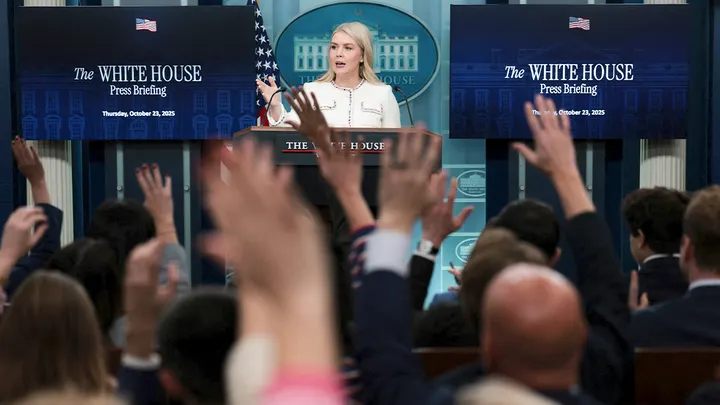
President Trump announced the media restrictions on September 18, saying the three outlets had repeatedly published what he called false news. The White House enforced the decision the following day. Reporters were turned away and some press credentials were confiscated.
CNN, MS NOW, and Politico challenged the restrictions. Press freedom groups also argued that excluding journalists because of their coverage could raise serious First Amendment concerns.
A federal judge later ordered the administration to restore the reporters’ credentials. The journalists returned to the White House on September 24. Reuters reported that the broader legal case remains unresolved.
White House access is controlled through press credentials, event access, pools, and other arrangements. Not every journalist can attend every presidential event. The White House has long used logistical and credentialing rules to manage limited space and security.
However, the current case focuses on whether the government can use access restrictions in response to coverage it dislikes. That question has constitutional implications.
Earlier White House and Media Disputes
Conflicts between presidents and news organizations did not begin with the current administration.
During Barack Obama’s presidency, the White House had a public dispute with Fox News over its treatment as a news organization. The administration also faced criticism over Justice Department investigations involving journalists.
In 2013, the Associated Press revealed that the Justice Department had secretly obtained telephone records from more than 20 AP phone lines during a leak investigation. The records covered reporters and editors as well as general AP office numbers. The Justice Department later changed its policies governing requests for journalists’ records.
Biden Administration Press Access Disputes
The Biden White House also faced criticism over its press credential system.
In 2023, the administration changed the requirements for permanent White House hard passes. Reports said more than 400 journalists lost their existing credentials when the previous passes expired. The White House said many journalists did not reapply and that the new system applied broadly to journalists seeking permanent access.
The New York Post also reported that reporter Steven Nelson was denied access to a Biden event in May 2023. The White House said press access depended on the circumstances of in
Why White House Access Matters
Press access affects how journalists cover the president and the executive branch.
Reporters with regular access can attend briefings, question officials, observe presidential events, and report from inside the White House complex. When an outlet loses that access, it can make some forms of reporting more difficult.
At the same time, the White House must manage security, limited space, credentials, and event logistics. The central legal issue in the current case is whether those ordinary access rules can be applied because of a news organization’s viewpoint or coverage.
White House Press Dispute Continues
The White House press dispute has become a broader debate about presidential access, media coverage, and First Amendment protections.
The immediate ban on CNN, MS NOW, and Politico has been halted by a federal court order. The larger legal question remains unresolved.
Earlier disputes under both Democratic and Republican administrations also show that conflicts between presidents and the press have a long history.