The National Oceanic and Atmospheric Administration’s climate research and reaction to extreme weather occurrences have been put on hold by the president’s ax.
As the US faces a cascade of hazards fueled by a potentially historic El Niño this winter, former government officials and scientists have warned that sweeping cuts to the top US climate agency under Donald Trump have seriously hampered the nation’s capacity to forecast, research, and respond to extreme weather events.
Quick Fact
| Detail | Information |
|---|---|
| What Happened | NOAA has faced staff reductions, funding cuts, and research disruptions. |
| Location | United States, with potential global effects. |
| Time Period | Reported cuts began in January 2025. |
| Key Agency | National Oceanic and Atmospheric Administration (NOAA). |
| Weather Service | The National Weather Service has also faced staffing shortages. |
| Main Concern | Reduced capacity for weather forecasting, climate research, and emergency preparedness. |
| Climate Risk | A strong El Niño could influence global weather patterns in 2026 and 2027. |
| Why It Matters | Reliable forecasts and early warnings help protect lives and property. |
NOAA Faces Major Cuts to Staff and Research
The president has targeted the National Oceanic and Atmospheric Administration (Noaa) from the beginning of his second term, cutting staff, terminating grants and contracts, and closing databases and research facilities. Since January 2025, the organization that has long been regarded as the world’s crown gem in climate science and forecasting has lost around 20% of its personnel.
Noaa is home to the National Weather Service, which has also suffered. Hundreds of meteorological and other technical posts remain unfilled across its 122 forecast offices, forcing weather stations to reduce operational hours and postpone data collecting.
NOAA Staff Cuts Threaten Weather Preparedness
At Noaa, where a chaotic and unstable atmosphere has caused morale to fall, exacerbated burnout, and hindered critical work, the impacts have already been felt. The most hazardous holes will be swiftly revealed by a large-scale calamity, even though capacity has quietly unraveled.
Tom Di Liberto, a former Noaa climate scientist who is currently Climate Central’s communications director, stated, “The system hasn’t really been tested since all the cuts happened.”
Super El Niño Raises Extreme Weather Risks
Extreme weather events throughout the world might be fueled by this year’s big El Niño, a climatic phenomenon marked by warmer than usual equatorial sea surface temperatures. It’s already rising off the charts and is predicted to get stronger over the fall and winter in the northern hemisphere.
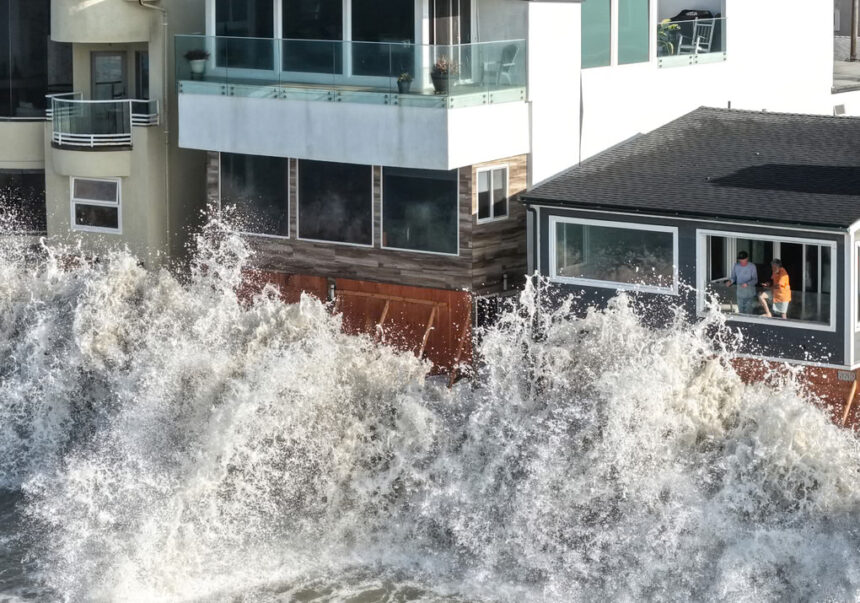
El Niño will cause severe temperature surges, intensify storms in portions of the American west, elevate sea levels in California by up to a foot, and create conditions for flash floods, landslides, and debris flows.
“Is it possible for our nation to withstand the type of terrible weather that may occur from coast to coast?
NOAA Cuts Threaten Global Weather Safety
Although the American public is anticipated to be greatly impacted by the losses, they will also be felt worldwide. Noaa satellites, research, and information are vital to scientists and forecasters worldwide.
Monica Medina, the chief deputy administrator of Noaa during the Obama administration, stated, “I worry about loss of life and about our inability to be protected at a time when we need government the most.”