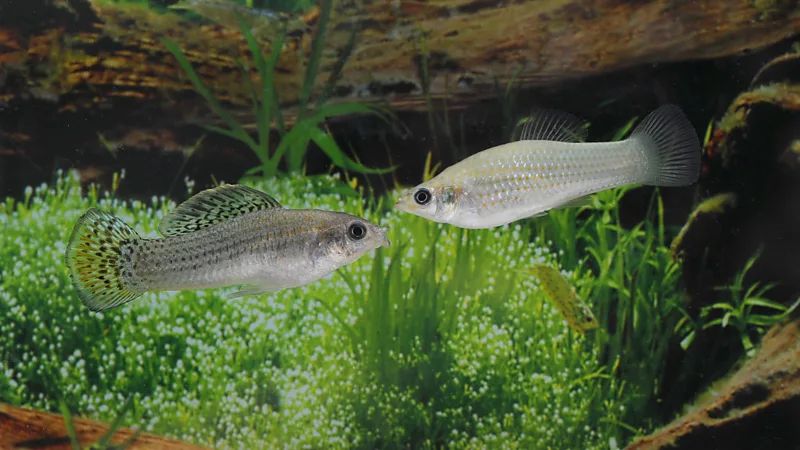
In rivers across Mexico and southern Texas lives a fish that defies normal expectations of reproduction. It exists in groups made only of females and has survived for around 100000 years without relying on males for genetic inheritance.
Scientists once believed such species would disappear quickly because they lack genetic mixing. Yet this fish continues to thrive and reproduce successfully.
What makes the Amazon molly unique
The Amazon molly is a small silver fish that lives among closely related species. Females still interact with males from other fish species, but they do not use male DNA to create offspring.
Each new generation consists only of daughters that are genetic copies of the mother. This creates a stable but unusual reproductive system that challenges traditional biological assumptions.
How reproduction without males works
This fish uses a process called gynogenesis. The female needs sperm from a male of a related species, but only to activate egg development.
The sperm does not contribute genetic material. Once fertilization begins, the male DNA is discarded. The result is reproduction without genetic mixing, producing identical offspring each time.
Why sexual reproduction is usually important
Most species rely on sexual reproduction because it creates genetic diversity. When genes from two parents combine, offspring inherit new traits that help populations adapt to change.
Genetic mixing also helps remove harmful mutations over time. Without it, errors in DNA can accumulate across generations and weaken a species.
The survival challenge the fish overcomes
Biologists once predicted that species reproducing without sex would gradually decline. Harmful mutations were expected to build up until extinction became unavoidable.
This idea suggests that genetic stability requires constant mixing. However, the Amazon molly continues to survive despite lacking this process.
What scientists are learning from this fish
Recent research shows that asexual reproduction may be more stable than previously thought. The Amazon molly appears to manage genetic health better than expected.
Scientists now study how this species avoids genetic damage over time. Its survival suggests that evolution may allow more reproductive strategies than earlier theories proposed.