
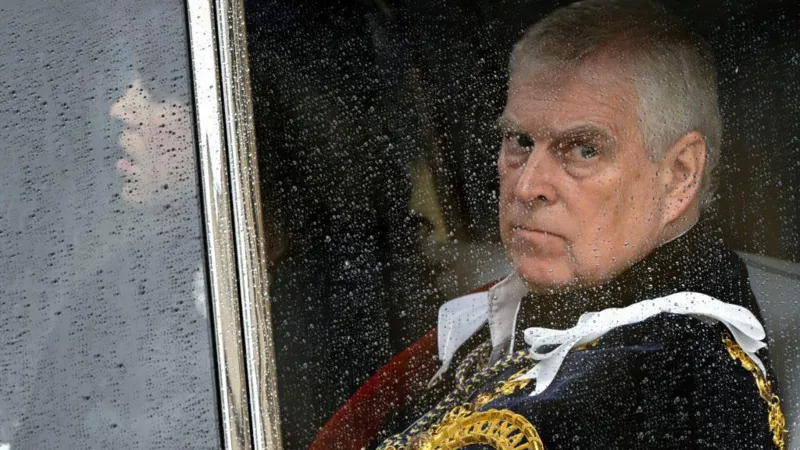
Australia has formally supported a UK proposal to remove Prince Andrew from the royal line of succession. Prime Minister Anthony Albanese confirmed his government’s position in a letter to UK Prime Minister Keir Starmer.
The move follows Andrew’s recent arrest and growing pressure over serious allegations.
Why the UK Is Considering Legal Action
Andrew Mountbatten Windsor, once known as Prince Andrew, remains eighth in line to the throne. This is despite losing his royal titles in October. The decision came after renewed public concern over his association with convicted offender Jeffrey Epstein.
Police arrested Andrew on suspicion of misconduct in public office. Officers from Thames Valley Police questioned him for nearly 11 hours before releasing him under investigation. Andrew has strongly denied all allegations.
The UK government is now reviewing whether Parliament should introduce legislation to remove him from the line of succession.
Australia’s Official Position
In his letter, Albanese stated that Australia would support any formal proposal to remove Andrew. He stressed that Australians take the allegations seriously and expect a proper legal process.
He also echoed comments made by King Charles III. The King said authorities must handle the matter through a full and fair investigation.
A spokesperson for the UK government confirmed they received Australia’s letter. Officials said they are considering further steps but will not comment in detail while the police investigation continues.
What Would Happen Next?
Removing Andrew from the royal line of succession requires an Act of Parliament in the UK. Lawmakers in both the House of Commons and the House of Lords must approve the bill. After that, the King must grant royal assent.
The change also needs support from the 14 Commonwealth realms where King Charles III serves as head of state. These include countries such as Canada, Jamaica, New Zealand, and Australia.
The last time Parliament removed someone from the line of succession was in 1936. That decision followed the abdication of Edward VIII.
Political Reactions in the UK
Several British politicians have shared their views. Defence Minister Luke Pollard said removing Andrew would be the right step, regardless of the investigation’s outcome.
Chief Secretary to the Treasury James Murray noted that such constitutional changes are complex. He emphasized that authorities must allow the police investigation to proceed without interference.
Meanwhile, Reform UK leader Nigel Farage urged Parliament to wait until police finish their work. He warned against rushing to judgment or creating what he called a trial by media.
What This Means for the Monarchy
If lawmakers pass the legislation, Andrew would lose any chance of becoming King. The decision would mark one of the most significant constitutional actions in recent royal history.
For now, the UK government continues to review its legal options while police complete their investigation.