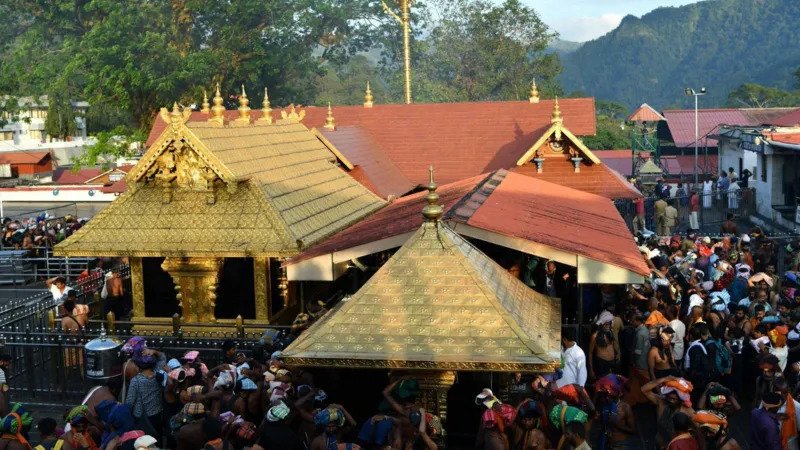
Background to the Sabarimala Dispute
The Supreme Court of India is reviewing its 2018 ruling that permitted women who are menstruating to enter the Sabarimala Temple in Kerala. This case sparked a national discussion about the balance of religious freedom and equality.
Sabarimala Temple, dedicated to Ayyappa Lord, has traditionally restricted entry for women aged between 10 and 50. The temple has enforced this ban for many decades, even though women often follow the customs.
This 2018 Landmark Judgment
The Supreme Court of India ruled in 2018 that preventing women from entering temples was unconstitutional and discriminatory. Judges ruled that men and women have the same right to religion.
One judge was not on board. Indu Malhotra, a judge in India, argued against courts interfering with deeply-held religious traditions and beliefs. Her dissension highlighted the tension between religious sentiment and legal rights.
Public Reactions and Protests
Kerala and elsewhere in India were enraged by the ruling. Women who attempted to enter the Temple were either turned away, or faced violent violence. This issue was a social and political hot topic.
Supreme Court Review of Current Issues
A constitutional court of nine judges is currently hearing the petitions challenging the ruling from 2018. The court is going to examine legal issues that may affect Hindu temples as well as other religious practices. Court is also examining related questions such as the authority of religious authorities and practices like female genital cutting.
Expanded to include wider religious questions
It is not limited to Sabarimala. The court is reviewing cases of similar nature from other faiths. It could set a precedent for future disputes in India between constitutional rights and religious tradition.
Experts in the field say that this decision will be a precedent-setter. The decisions could influence how the courts deal with conflicts between religious beliefs and rights.
The Government and Religious Organizations Take Positions
Some religious organizations have requested that the court refrain from interfering with long-standing traditions. The federal government also expressed its support to review the previous ruling.
Judges from different backgrounds make up the composition of this bench. This diversity, according to observers, may strengthen the validity of the decision.
The Case at Hand
The case is more than just a temple. This case touches upon broader questions of individual rights, equality and religious freedom. This ruling could influence decisions in the future on religious space access across India.