New government formation in Denmark
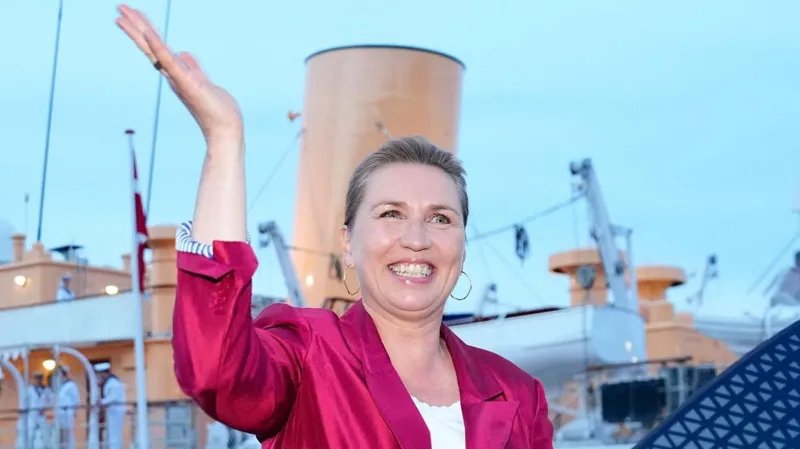
Mette Frederiksen is set to lead a new coalition government after months of negotiations following Denmark’s general election. She met King Frederik X to confirm the agreement and will present her new cabinet soon.
The Social Democratic Party emerged as the largest party in the election but recorded its weakest result in more than a century. Even so, Frederiksen secured enough support to continue as prime minister for a third term.
Election results and shifting power balance
The March election produced no clear winner. Twelve parties entered parliament, which forced long negotiations before a government could be formed.
The Social Democrats won about 21.9 percent of the vote and secured 38 seats. This fell short of the 90 seats needed for a majority.
Other major parties also lost ground. Venstre performed poorly, while Danish People’s Party gained support and more than tripled its vote share to around nine percent.
Coalition structure and political agreement
The new government will include four parties. These are the Social Democrats, Socialist People’s Party, Radikale Venstre, and the centrist Moderates.
Leaders described the negotiations as difficult and lengthy, but they eventually reached a shared political agreement. The official cabinet announcement is expected soon.
Key issues facing the new government
The new coalition must deal with several urgent challenges. One major issue involves comments from the United States about taking control of Greenland, which Denmark considers strategically important.
Domestic concerns also remain high on the agenda. These include rising living costs, economic pressure, welfare services, and environmental issues linked to farming and drinking water quality.
Animal welfare and climate impact from agriculture also played a major role in voter concerns during the election.
Public reaction and political outlook
Frederiksen said the government will focus on policies that benefit both current citizens and future generations. She also emphasized animal welfare as part of the coalition’s priorities.
Denmark’s public broadcaster DR reported that the country went 69 days without a formal government after the election, reflecting the complexity of negotiations.