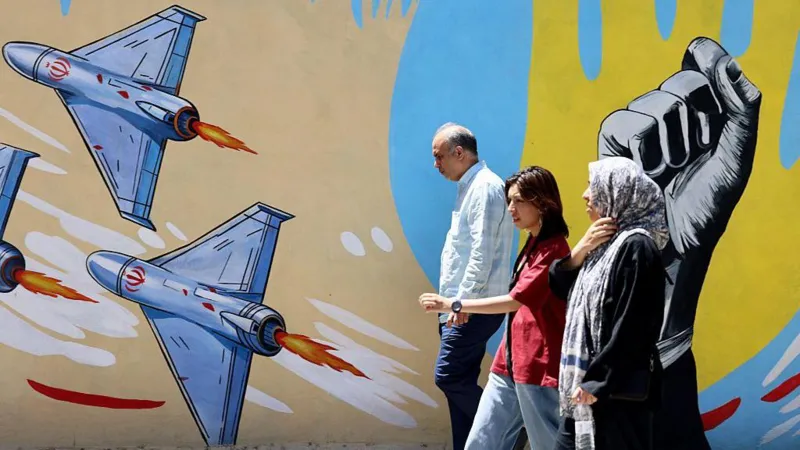
Ceasefire Holds but Talks Remain Fragile
The United States and Iran are still engaged in indirect talks aimed at maintaining a ceasefire that began on 8 April. Both sides have signaled that they do not want to return to open conflict. Regional mediators, including Pakistan and Qatar, are helping keep communication open.
Despite ongoing discussions, trust between both countries remains weak. Military activity in the region has not fully stopped, and tensions continue to shape the negotiation process.
Military Presence Keeps Pressure High
The United States continues to position naval and air forces within reach of Iran. This shows Washington is maintaining military pressure while talks continue.
Iran has kept its forces on high alert. Officials in Tehran appear to be using the ceasefire period to reorganize and repair damage caused during earlier strikes involving US and Israeli forces.
This situation increases the risk of misjudgment. Any small incident could escalate quickly due to the close military presence on both sides.
Regional Conflict Adds More Complexity
Tensions in Lebanon are making the situation more complicated. Israel has warned of renewed air operations in Beirut, which narrows diplomatic options for Washington.
Israeli leadership remains strongly opposed to any agreement between the US and Iran. At the same time, Iran continues to support Hezbollah, its key ally in Lebanon. This creates another layer of regional conflict that affects negotiations.
Iran has suggested that any broader agreement with the United States would need to include limits on Israeli military actions in the region.
Strait of Hormuz Becomes a Key Pressure Point
The Strait of Hormuz is also central to the dispute. Iran has limited shipping access through the waterway following earlier strikes. Only a small number of vessels are currently passing through.
Iran is expected to use control over this route as leverage in negotiations. Possible demands include sanctions relief or access to frozen financial assets.
This makes the waterway both an economic and strategic pressure point in the wider dispute.
Path Toward Agreement Remains Uncertain
Talks continue, but progress is slow. The first goal is to extend the ceasefire and agree on a basic framework for future discussions.
However, deep disagreements remain on sanctions, military activity, and regional influence. These gaps make a long term agreement difficult to achieve.