
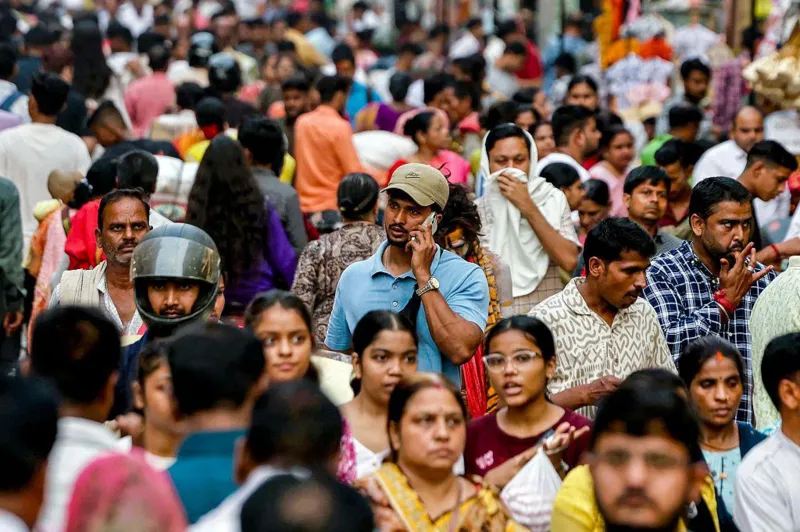
India has started a massive nationwide census that will cover more than one billion people. This is the first full population count in over 15 years and aims to collect detailed data about households, living conditions, and social structure.
What the Census Will Ask
Residents will answer 33 questions. These include details about housing, such as roof type, access to internet, type of mobile phone, and main food habits. Officials will also ask about family structure, including how many married couples live in a home.
The census will also collect data on education, migration, fertility, and caste. This information will help shape government policies and improve welfare distribution.
Scale and Coverage
More than three million officials will conduct the census across India. The exercise will cover all 36 states and territories, including over 7,000 sub districts, nearly 9,700 towns, and around 640,000 villages.
India now has a population of over 1.4 billion people. It surpassed China in 2023, according to the United Nations Population Fund. Despite its size, the country remains young, with a median age of 28 and nearly 70% of people in the working age group.
Digital Census for the First Time
This census introduces digital tools for the first time. Enumerators will use mobile apps to collect and upload data directly. Citizens can also complete a self enumeration process through an online portal available in 16 languages.
After submitting details online, users receive a unique ID that census workers verify during field visits.
Two Phase Data Collection
The census will happen in two main phases. The first phase, called the House Listing and Housing Census, focuses on housing conditions, assets, and amenities.
The second phase will take place in February 2027. It will gather deeper details about population, including education, migration, and fertility patterns.
Regional Rollout
The process begins in selected regions such as Andaman and Nicobar Islands, Delhi, Goa, Karnataka, Mizoram, and Odisha.
Self enumeration runs from April 1 to April 15. After that, field surveys will begin from April 16 to May 15 in these areas.
Historical Background
India’s census has evolved over time. The first attempt in 1872 included 17 basic questions and focused mainly on household data.
By 1881, a nationwide census became more structured. It included information on identity, caste, religion, language, education, and disability.
Over time, the census added more detailed questions about literacy, language, and employment. Even English proficiency was included in early 20th century surveys.