
A quiet village shaken by violence
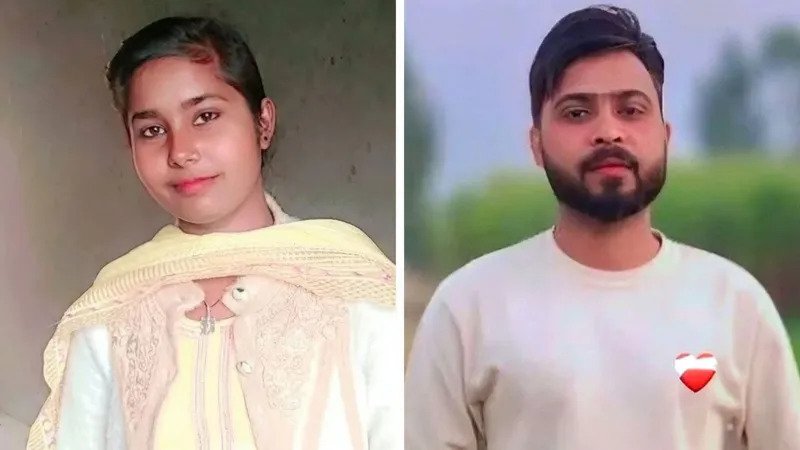
A small village in northern India’s Uttar Pradesh state is struggling to come to terms with the killing of a young interfaith couple. Residents of Umri village say they never expected such violence in a place known for peaceful coexistence.
The victims, 19 year old Kajal and 27 year old Mohammad Arman, were found buried near a riverbank on the outskirts of the village on 21 January. Police say the couple was killed two days earlier.
Police call it an honour killing
Investigators believe Kajal’s three brothers murdered the couple after discovering their relationship. Police arrested all three men and charged them with murder. Officials say the accused beat the couple to death with a spade.
Deputy Inspector General Muniraj G told the BBC that the case fits the pattern of an honour killing. Such crimes often target women who choose partners outside their caste or religion.
A village with no history of conflict
Umri lies about 182 kilometres from Delhi and is home to nearly 400 Hindu and Muslim families. Many villagers say both communities have lived together without tension for decades.
“This was the first interfaith relationship we knew of in the village,” said resident Mahipal Saini. “If the family had spoken to elders, things might not have reached this point.”
Residents described Kajal and Arman as quiet neighbours who lived just a short distance apart. Kajal worked as a teacher at a private school, while Arman had recently returned from Saudi Arabia and took up local work.
What police found during the investigation
Police say the killings happened at Kajal’s home on the night of 18 January. Officers allege the brothers tried to mislead investigators by filing a missing person report against Arman.
During questioning, police noticed contradictions in their statements. This led officers to the burial site, where they recovered both bodies.
Family members on both sides say they did not know about the relationship. Arman’s brother said friends later revealed the couple had been seeing each other for two months.
Honour killings remain underreported
India began officially recording honour killings in 2014. That year, authorities listed 18 cases nationwide. In 2023, the figure rose to 38.
Activists argue the real number runs into the hundreds. Many cases get registered as simple homicide, without noting the motive.
Filmmaker Nakul Singh Sawhney says the lack of proper data hides the true scale of the problem. Human rights activist Kavita Srivastava adds that denial leads to weak action.
Law offers protection, but fear persists
Indian courts have ruled that adults have the right to choose their partners. In 2018, the Supreme Court ordered states to set up safe houses for interfaith and inter caste couples.
Despite this, violence continues. Research shows most marriages in India still happen within the same caste and faith. Laws against religious conversion have added to the pressure faced by such couples.
As life slowly returns to normal in Umri, residents say a heavy silence remains. “We never imagined this could happen here,” said villager Arif Ali.