When Iranian missiles spike into U.S. spots near Camp Buehring in Kuwait and Erbil, Iraq, on Friday, March 6, 2026, that are remaining hopes for a quick resolution in the Middle East vanished. The “Wave 22” barrage marks one of the direct targeted assaults on American military infrastructure in the region, sending immediate shockwaves through global energy markets.
These strikes are an intensely significant event in the war, which started in February. Six US service members had died when this conflict began, according to reports. Civilian areas were also targeted in this war, raising the question that the conflict is beyond military targets.
Wave 22 Expands the Conflict
Fears of a larger regional conflict have increased as a result of the coordinated strikes. Attacks that span many nations raise the possibility of more escalation throughout the Middle East, according to military specialists.
Concerns regarding the humanitarian repercussions if the conflict spreads have also been raised internationally due to the alleged effects on civilian areas.
U.S. Military Response
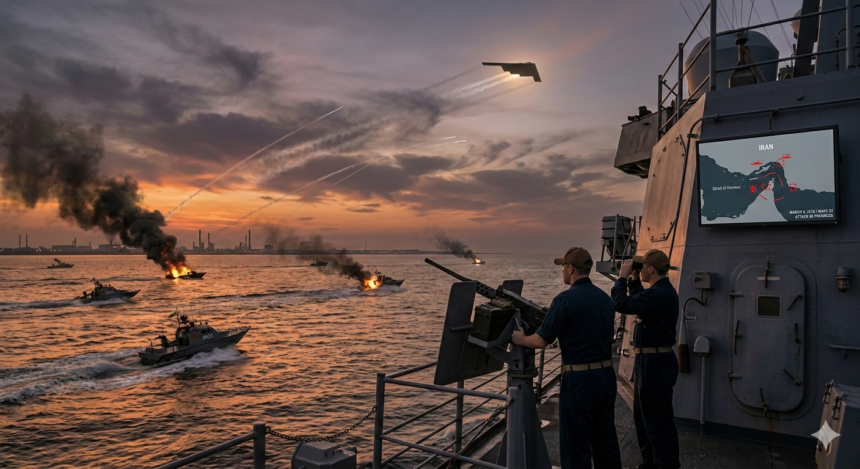
The United States has responded with military operations that reportedly included B-2 bomber missions over Tehran. According to the available information, Washington says its objective is to weaken Iran’s military and industrial capabilities linked to the ongoing conflict.
Security experts believe the United States will continue applying military pressure while monitoring Iran’s ability to conduct additional operations. However, future military actions by either side remain uncertain.
Energy Markets Face Growing Pressure
The conflict is also affecting global energy supplies.
Analysts caution that energy exports could be hampered by the Gulf region’s ongoing instability. According to reports, Qatar has threatened to shut down portions of the energy sector in a matter of weeks if the security situation worsens.
Any major disruption could increase fuel prices and affect economies that depend heavily on imported energy.
Global Economic Concerns
Financial markets are reacting to growing uncertainty across the Middle East.
Economists warn that a prolonged conflict may result in:
- Higher energy prices
- Increased inflation
- Rising transportation costs
- Greater pressure on global trade
Businesses that rely on stable energy supplies are preparing for higher operating expenses if tensions continue.
Public Safety Measures
There are no verified reports of backchannel talks to achieve a truce, and officials have not declared any ongoing peace talks.
For impacted locations, the U.S. Virtual Embassy has issued a shelter-in-place alert. Due to security concerns, a number of Western embassies in Saudi Arabia and Lebanon have temporarily halted regular activities.
Beyond the Battlefield
What makes this development critical isn’t just the military targets—it’s the ripple effect. The attack places civilian communities, trade routes, energy prices, and essential infrastructure in the direct line of fire.
As regional leadership eyes this situation, residents are being advised to follow local security orders or advice. They said the energy stability and regional safety are critical in the balance; the coming days will be critical and tense.
What Occurs After That?
Military analysts expect both sides to remain on high alert as tensions continue.
Future developments will depend on battlefield conditions, diplomatic efforts, and any additional military operations. At present, there is no confirmed timeline for negotiations or a ceasefire.
Summarization
Future developments will depend on battlefield conditions, diplomatic efforts, and any additional military operations. At present, there is no confirmed timeline for negotiations or a ceasefire.
Iran’s Wave 22 offensive represents another major escalation in the 2026 Middle East conflict. Beyond the military consequences, the crisis is placing increasing pressure on civilian safety, regional stability, and the global economy. International attention now remains focused on whether diplomatic efforts can prevent the conflict from widening further.
Frequently Asked Questions
Describe Wave 22.
Iran’s alleged military operation, which began on March 6, 2026, and targeted American military installations in Kuwait and Iraq, is known as Wave 22.
Which places were the targets?
The strikes reportedly targeted areas close to Erbil in Iraq and Camp Buehring in Kuwait.
What is the American response?
According to reports, the US has responded by conducting military operations, including B.2 bomber missions over Tehran.
How might the conflict impact international markets?
Prolonged instability, according to analysts, could impede international trade, disrupt energy supplies, raise oil prices, and cause inflation.
Is a ceasefire being discussed?
There are no confirmed negotiations or ceasefire talks going on, according to the information that is currently available.