The war involving Iran, the United States, and Israel has entered a critical phase. Despite heavy strikes and leadership losses, Iran’s system remains stable and active.
Leadership Changes but System Stays Intact
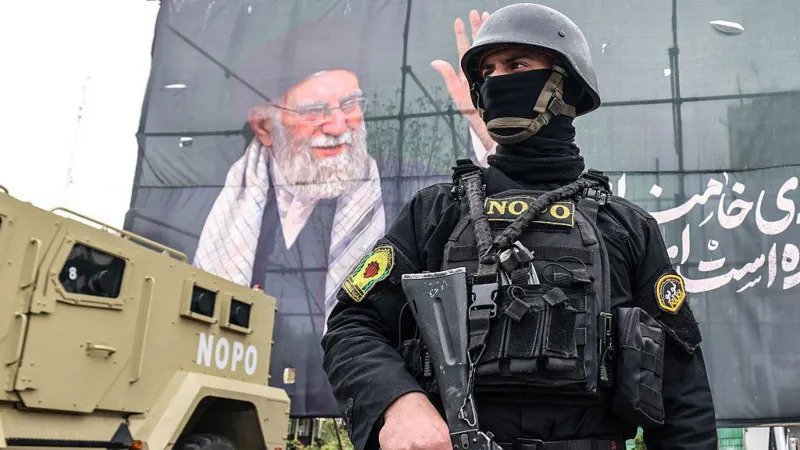
Early reports claimed that Supreme Leader Ali Khamenei was killed during the conflict. Even so, the structure of power in Tehran has not collapsed.
Key leaders are still in place. Masoud Pezeshkian continues to lead the government. Mohammad Bagher Ghalibaf remains head of parliament. Abbas Araghchi still handles foreign affairs.
New commanders have stepped in quickly. Most come from the same political and ideological background. Many appear more determined under wartime pressure. This shows stability rather than change.
Conflicting Signals from Washington
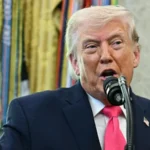
Donald Trump recently claimed that Iran’s military power has been heavily damaged. He pointed to losses in its navy, air force, missile systems, and nuclear facilities.
At the same time, he warned that more attacks could follow soon.
This creates a mixed message. The war is presented as nearly over, yet further escalation is still on the table. His strong statement about destroying Iran triggered anger across Iranian society. Even critics of the government reacted negatively. Instead of weakening internal support, it increased a sense of unity.
No Real Sign of Regime Change
Claims of regime change do not match reality. Iran’s political system continues to function without major disruption.
Power still flows through the same institutions. There is no clear shift in ideology or leadership direction. The government has adapted to losses by replacing officials with similar figures.
This points to resilience, not collapse.
Survival Remains Iran’s Core Strategy
Iran is not aiming for a traditional military victory. Its main goal is to survive.
For years, Tehran has followed this approach. If it withstands pressure from stronger powers, it considers that a success. Even after weeks of conflict, its state system is still working. Its military command remains active, though weakened.
From this view, Iran is achieving what it set out to do.
Strategic Control Still Gives Iran Leverage
Iran holds influence over key global oil routes, especially the Strait of Hormuz. Nearly one-fifth of the world’s oil supply moves through this route.
This gives Iran strong leverage. It can disrupt global markets if tensions rise further. That keeps it relevant despite ongoing attacks.
A Difficult Path for the United States
The United States now faces a tough choice.
If it pulls back, Iran may see that its survival strategy works. If it continues, the conflict could become longer and more costly without a clear win.
Trump’s statements reflect this pressure. He is trying to show strength while avoiding a prolonged war.
Meanwhile, Pezeshkian has said Iran has the will to end the conflict. This appears to be a calculated message rather than a sign of weakness.