
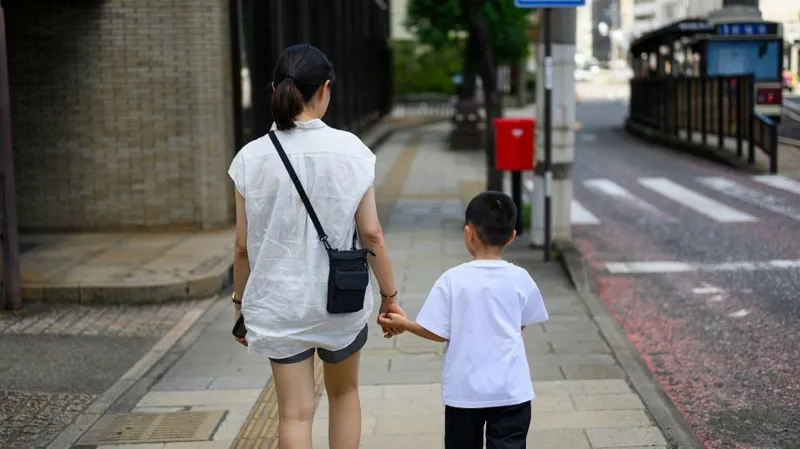
Japan has made a major change to its family law system. The country now allows divorced parents to share custody of their children. This reform updates Japan’s Civil Code and brings it closer to global standards.
End of Sole Custody System
Before this change, Japan was the only G7 nation that did not legally recognize joint custody. Courts usually gave custody to just one parent, most often the mother. That parent had full control over decisions and could restrict the other parent’s access to the child.
This system led to many cases where one parent, often the father, lost contact with their children after divorce. Critics raised concerns for years and pushed for reform.
New Role of Family Courts
Under the new law, family courts can now decide between sole custody and joint custody. Judges will review each case and choose what best supports the child’s welfare.
Parents who divorced under the old system can also return to court. They may request a review of their custody arrangements under the updated rules.
Child Support Becomes Mandatory
The revised law also introduces a clear rule for child support. The parent not living with the child must pay regular financial support. The expected amount is around 20,000 yen per month.
This step aims to provide more stability for children after divorce and reduce financial stress on the custodial parent.
Concerns Over Parental Abduction
The reform also addresses concerns about parental abduction. Some cases involving international couples brought attention to this issue.
In one case, Japanese table tennis player Ai Fukuhara faced accusations from her ex-husband regarding custody of their child. Another case during the Tokyo Olympics involved a French father who protested over losing contact with his children in Japan.
These incidents sparked global criticism and increased pressure for legal reform.
Mixed Reactions to the New Law
Not everyone supports the change. Some critics worry that joint custody could create problems in cases involving domestic violence.
However, the new law includes safeguards. Courts will grant sole custody if they find evidence of abuse or unsafe conditions.