
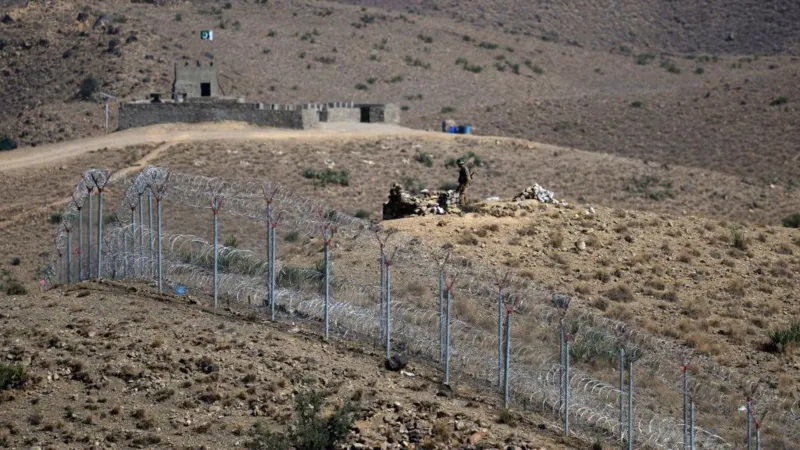
Pakistan has carried out air strikes in Afghanistan, marking a major escalation in tensions between the neighboring countries. The strikes targeted locations near the shared border and ended months of relative calm in the region.
According to Pakistani officials, the military operation targeted militant hideouts that allegedly supported attacks inside Pakistan. The government stated that security forces destroyed four key targets and killed 26 militants during the operation.
Pakistan Says Strikes Targeted Terrorist Hideouts
Information Minister Attaullah Tarar said Pakistan launched the strikes in response to recent terrorist attacks inside the country. He explained that security forces targeted training facilities, ammunition storage sites, and other locations used by militant groups.
Tarar stressed that Pakistan remains committed to regional peace. However, he added that protecting citizens and national security remains the government’s top priority.
The operation represents one of the most significant military actions along the Pakistan-Afghanistan border in recent months.
Afghanistan Reports Civilian Casualties
Afghanistan’s Taliban-led government strongly condemned the strikes. Taliban spokesman Zabihullah Mujahid said the attacks hit areas in Kunar, Khost, and Paktika provinces.
According to Afghan officials, the strikes killed 13 civilians. The victims reportedly included 11 children, one woman, and one elderly man.
Afghan authorities rejected Pakistan’s claims that militant groups operate from Afghan territory. Officials insisted that Afghanistan does not allow anyone to use its land to threaten neighboring countries.
Longstanding Security Dispute
Pakistan has repeatedly accused Afghanistan of providing safe havens to militants responsible for attacks inside Pakistani territory. Afghan leaders continue to deny those accusations.
The disagreement has remained a major source of tension between the two countries for years. Security concerns along the border have frequently led to clashes and diplomatic disputes.
Ceasefire Under Pressure
The latest strikes mark the first major escalation since February, when intense border fighting caused hundreds of casualties. Following those clashes, both countries agreed to a ceasefire in October to reduce violence.
Although the ceasefire lowered tensions, smaller incidents continued along the border. Recent developments now raise concerns about renewed instability in the region.
Several international leaders and organizations have urged both countries to avoid further conflict and seek a peaceful solution through dialogue. The coming weeks may prove critical in determining whether tensions continue to rise or diplomatic efforts help restore stability.