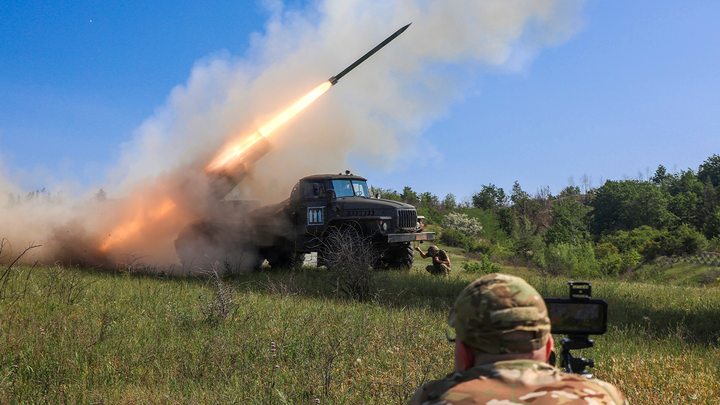
Four years after Russia launched its full invasion, the war in Ukraine has become a long, costly fight with no clear end in sight. As the conflict moves into its fifth year, military leaders and policy experts say three paths now seem most likely: a prolonged stalemate, renewed Ukrainian momentum, or a shift caused by weakening Western support.
A Costly War With No Clear Winner
Russia still controls about 20 percent of Ukrainian territory. However, Ukraine has regained small areas through counteroffensives. The human cost has been staggering. Estimates suggest Russia has suffered around 1.2 million casualties since 2022, while Ukrainian losses range between 500,000 and 600,000.
At the same time, diplomacy continues. President Donald Trump met with Russian President Vladimir Putin in Alaska last year to push negotiations forward. Meanwhile, Ukrainian President Volodymyr Zelenskyy has traveled to Washington several times, including meetings at the White House.
More recently, talks took place in Abu Dhabi and Geneva. Special envoy Steve Witkoff met delegations from both countries as part of ongoing efforts to reach a settlement.
Scenario One: A Prolonged Stalemate
The most immediate possibility is more of the same. Neither side has delivered a decisive blow. As a result, the war continues through slow advances and heavy losses.
Retired Air Force Gen. Philip Breedlove said Russia cannot claim victory despite its territorial gains. He argued that a major power should not need years to secure limited ground. Therefore, he sees no clear winner at this stage.
In this scenario, negotiations move slowly. Fighting continues. Both sides absorb losses while waiting for leverage to shift.
Scenario Two: Ukrainian Momentum Changes the Picture
A second path could emerge if Ukraine builds on recent battlefield gains. Breedlove pointed to reports that Ukrainian forces disrupted Russian command systems and quickly reclaimed territory.
Carrie Filipetti of the Vandenberg Coalition said battlefield momentum often shapes diplomatic outcomes. According to her, recent advances show Russia’s military is not invincible. If Ukraine sustains pressure, Moscow may face harder choices at the negotiating table.
Breedlove also stressed that clear U.S. backing matters. In his view, strong and public support from Washington could change the strategic balance and force Moscow to reassess its position.
Scenario Three: Escalation or Western Fatigue
A third outcome worries many analysts. If Western support weakens, the conflict could tilt toward Russia or drag on even longer.
Former State Department spokesperson Heather Nauert described the war as a fight over identity and national survival. She argued that peace must come with accountability and security guarantees.
Retired Lt. Gen. Richard Newton emphasized deterrence. He said strength must shape negotiations. Without consistent support from the United States and Europe, he warned, Moscow may believe it can outlast its opponents.
Breedlove echoed that concern. In his view, negotiations alone will not end the war. Instead, he argued that only firm and unified Western resolve can prevent further Russian expansion.
What Comes Next?
As the Russia Ukraine war enters its fifth year, the battlefield and diplomatic tracks remain closely linked. Momentum could shift. Talks could stall. Support could waver.
For now, the conflict stands at a crossroads, with outcomes shaped not only by soldiers on the front lines, but also by political decisions in Washington, Moscow, and European capitals.