
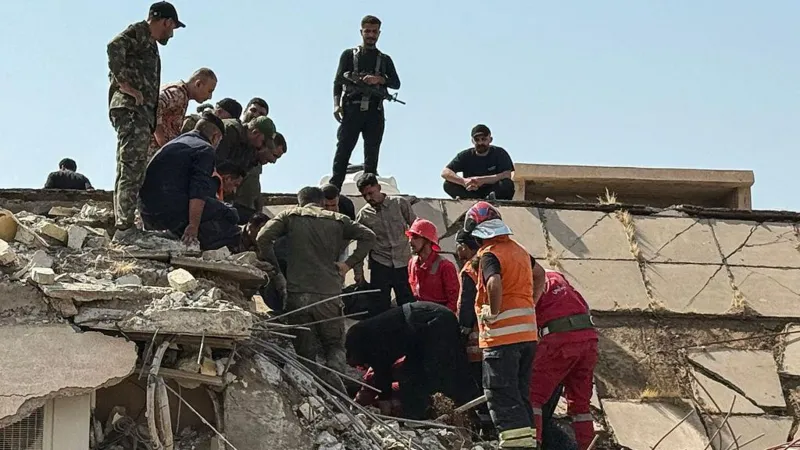
A new phase of the Middle East conflict has emerged after Saudi Arabia joined the United States in military operations against Iran backed militias operating inside Iraq.
The strikes came on the heels of reported drone attacks targeting US military bases and Saudi oil facilities. Now, increasing fears are mounting that the conflict could spike into the broader region and send global energy markets into a collapes.
Targeting Militia Positions in a Joint Military Operation
US military officials said the operation focused on weapons storage areas, logistics facilities, and command locations linked to Iran backed armed groups in eastern Iraq.
According to American officials, the action was taken after dozens of drone attacks were launched against US forces and Saudi infrastructure over several days. Military leaders described the operation as a defensive response intended to reduce future threats.
Saudi Arabia confirmed that it also participated in the strikes. Officials said the Kingdom acted under its right to self defense after drones were launched
Iran Reports Response to US Operations
Iran announced that it had launched missiles toward American military positions in the region following previous US military actions. American officials stated that defensive systems intercepted the incoming missiles before they reached their targets.
Iran also reported naval operations involving commercial shipping near the Strait of Hormuz, one of the world’s most important oil transportation routes. Any disruption in this area has the potential to affect international energy markets and shipping.
Casualties Reported by Iraqi Forces
After the attacks, the Popular Mobilization Forces of Iraq, or PMF, reported heavy fatalities.
The group said that during the operation, many bases in several Iraqi regions were targeted. Although independent confirmation of the alleged numbers was not immediately available. Officials said that dozens of fighters were either killed or injured.
The PMF claimed that the assaults violated Iraq’s sovereignty and charged Saudi Arabia and the United States of attacking a legitimate Iraqi security agency.
The Iraqi government denounces the strikes
The military action was denounced by Iraqi leaders as an intolerable violation of national sovereignty.
Foreign military operations within Iraq, according to government officials, exacerbate instability and make it more difficult to keep the nation safe.
The problem has once again brought attention to how challenging it is for Iraq to maintain good relations with the United States while managing strong armed organizations .
Iran strongly condemned the strikes as a violation of international law, accusing Washington and its regional allies of escalating tensions.
Warning of further regional instability if military action continues, Iranian officials highlighted the worsening friction between the two nations.
Saudi Arabia's Security Issues
Concern regarding missile and drone strikes that target its land has been voiced by Saudi Arabia on several occasions.
Because the nation’s oil infrastructure is crucial to the world’s energy supply. Officials believe safeguarding energy facilities continues to be a top national security priority.
Despite Saudi Arabia’s recent restoration of diplomatic ties with Iran, continued regional wars have kept security tensions high.
Effect on World Oil Markets
The resumption of military action prompted a swift response from financial markets.
Investors’ concerns that more violence would impede shipments across the Strait of Hormuz caused oil prices to rise.
One of the most strategically significant channels for international trade, the small canal transports a significant portion of the world’s seaborne crude oil.
Prolonged instability, according to analysts, may raise transportation costs and put more pressure on global oil prices.
How Recent Strikes Threaten Regional Stability
The most recent military encounters show how easily regional conflicts can spread over national boundaries.
Now that many nations are actively responding to assaults, the likelihood of a wider conflict throughout the Middle East has increased.
International trade, energy supply, and diplomatic initiatives to lessen bloodshed are all made more precarious by rising tensions.
What Next Occurs?
Military specialists anticipate that states in the area will keep a close eye on events in Iraq and the Gulf.
As regional and global authorities try to stop further escalation, diplomatic efforts may continue in addition to military actions. As the crisis progresses, further remarks from Saudi Arabia, Iran, Iraq, and the US are anticipated.
Summarization
Another noteworthy development in the current Middle East conflict is the United States and Saudi Arabia’s synchronized military response. Iraq and Iran have vehemently denounced the operation, even though both nations claim the operations were carried out in response to security threats.
The next few days will probably be crucial in deciding whether the situation worsens or diplomatic attempts pick up steam as tensions rise and oil markets respond.