
Overview of the disaster
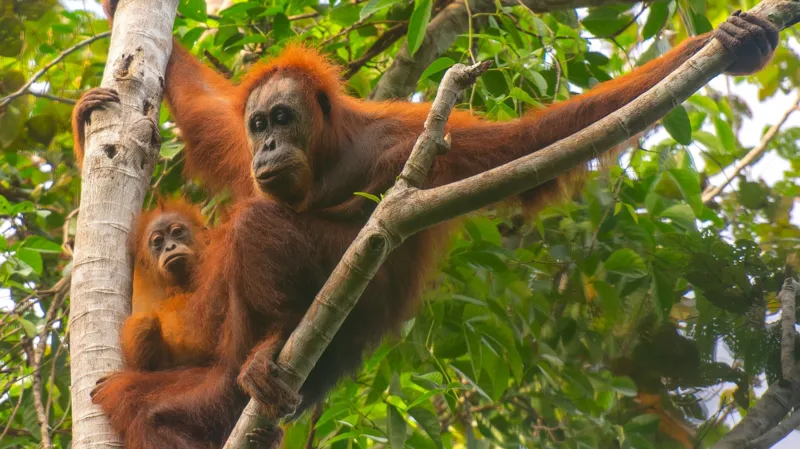
A period of heavy rain lasting four days in Indonesia’s Sumatra island triggered deadly landslides and flooding that has severely impacted the world’s rarest great ape, the Tapanuli orangutan. New research estimates that 58 orangutans, around 7% of the total population, died during the extreme weather event.
The species is already critically endangered, with fewer than 800 individuals left in the wild.
Cyclone Senyar and its impact
Cyclone Senyar struck Sumatra in late November and became one of Southeast Asia’s deadliest natural disasters of 2025, killing over 1,000 people across the region. The storm also destroyed large areas of forest, removing critical habitat for wildlife.
Researchers say the death toll among orangutans may still be underestimated because the study does not fully account for:
- canopy destruction that limits shelter and movement
- reduced food supply after forest damage
- hidden fatalities in remote forest zones
Field observations after the storm
In the weeks following the cyclone, conservation teams reported a sharp drop in orangutan sightings in affected regions. This led to early concerns that many had been swept away by floods or buried in landslides.
One humanitarian worker described finding what appeared to be a Tapanuli orangutan partially buried in mud and debris. The forest, once a feeding area for the species, had turned into a zone of destruction.
Researchers who reviewed field images said the level of damage showed how violent the landslides were, with large sections of forest completely flattened.
Climate change and long term risks
Scientists involved in the study describe the storm as unusual in scale, but they also point to human driven climate change as a key factor increasing extreme rainfall in the region.
They warn that similar weather events could become more frequent and more intense, putting continued pressure on already fragmented orangutan habitat and increasing the risk of further population decline.
Why this matters
The Tapanuli orangutan is the rarest great ape on Earth, only formally identified in 2017. With such a small population, even a single extreme weather event can have a serious impact on long term survival.