
When the world went into lockdown in 2020, global shipping slowed dramatically. For the first time in decades, the constant hum of engines faded, and the ocean finally fell quiet. In that silence, the natural songs of fish and other sea creatures rose into focus, creating a remarkable underwater symphony.
Marine biologist Steve Simpson from the University of Bristol describes it beautifully: “All these individual sounds blend into an orchestra, thousands of instruments playing at once.” For years, people believed the ocean was mostly silent. But hydrophones, introduced in the early 20th century, revealed a hidden world of cracks, snaps, pops, whistles, and calls used by marine species for communication, hunting, and mating.
As human activity in the ocean has increased, so has underwater noise pollution, interrupting these essential behaviors. Scientists long wondered how much difference a quieter ocean could make, but creating large-scale silence was nearly impossible. Then the pandemic delivered an unexpected natural experiment.
Global maritime trade dropped by over 4%, and some regions saw up to 70% less boat traffic. This led to an estimated 6% reduction in shipping-related noise energy. With hundreds of hydrophones already deployed worldwide, researchers were able to compare ocean soundscapes before, during, and after lockdown.
In New Zealand’s Hauraki Gulf Marine Park, underwater noise plunged to about one-third of normal within just 12 hours. Suddenly, dolphins and fish could communicate up to 65% farther. Their calls traveled freely, more than a mile farther in some cases.
Sound is the main communication tool for most marine animals. Over two-thirds of fish species produce sound, whether through snapping claws, vibrating swim bladders, or vocal noises. Snapping shrimp, for example, close their claws fast enough to create a bubble that explodes louder than a rock concert.
But oceans are growing noisier each decade, driven by shipping, storms intensified by climate change, melting ice, and habitat loss. The soundscape of today’s ocean includes not just natural noises (biophony and geophony) but the constant rumble of human activity, known as anthrophony.
This noise can mask animal communication, much like trying to talk in a crowded bar. Unpredictable sounds, such as passing boats or sonar pulses, can also frighten or disorient marine life. Studies show that whales alter their feeding patterns, dive deeper, and experience stress when noise levels rise. Military sonar has been linked to whale strandings, causing injuries similar to decompression sickness.
Fish are affected too. On coral reefs, motorboat noise disrupts parental behavior in nesting species, making them more cautious and less attentive to their eggs.
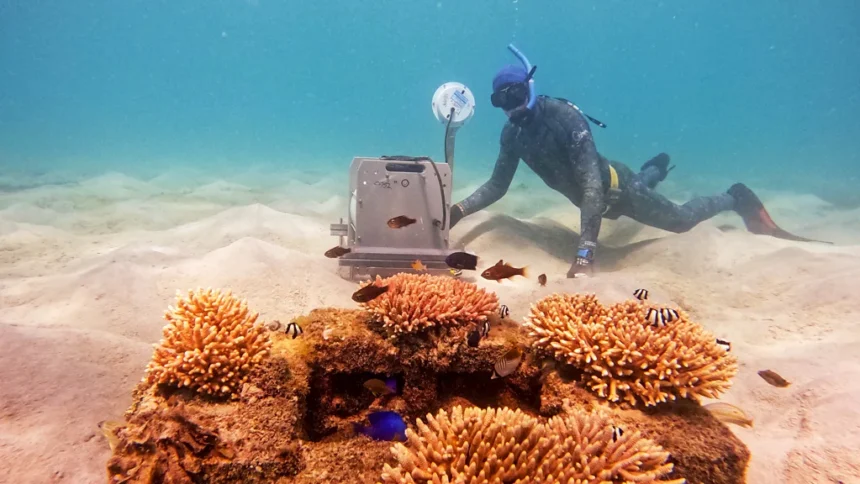
Yet sound can also be used for healing. Scientists have discovered that playing recordings of healthy reefs can attract fish back to damaged areas, helping restore marine ecosystems faster.
One major outcome of the International Quiet Ocean Experiment was the creation of World Ocean Passive Acoustics Monitoring Day on 8 June 2023. Hundreds of people worldwide now share underwater recordings, from ocean canals to small ponds—revealing the hidden universe beneath the waves.