
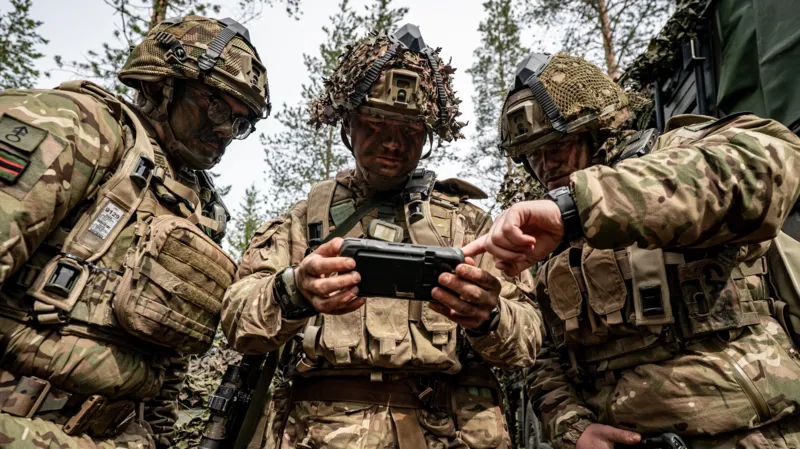
Political dispute over defence priorities
A disagreement has emerged over how the UK funds its military. Two outgoing defence ministers have accused the prime minister of not providing enough resources to keep the country secure. This has triggered wider debate over whether current spending matches growing security risks.
The government spends about £66 billion on defence. This supports the armed forces and the nuclear deterrent. Officials argue that the UK remains well protected due to its geography, strong alliances, and capable military forces.
Rising concerns about global threats
Supporters of higher spending say the security environment is changing quickly. The focus has shifted from militant groups to tensions between states such as Russia and Iran. This shift has increased pressure on defence planning and funding.
Officials warn that modern conflict now relies more on fast production of low cost weapons, drones, cyber systems, and space technology. Traditional ships and armoured platforms are seen by some experts as less effective if they cannot adapt quickly.
Long standing issues in defence planning
Critics say defence challenges go beyond current political disagreements. They point to long term problems in how the Ministry of Defence manages equipment procurement. Projects have often faced delays and higher costs than expected.
Past governments reduced military spending after the Cold War. Spending did not rise enough as global tensions increased. As a result, the size of the army, navy, and air force has gradually reduced.
Internal disputes within government departments have also slowed decision making. These tensions have involved the Treasury, the Ministry of Defence, and senior political offices.
Pressure from international commitments
The United States has also increased pressure on European allies to take more responsibility for their own defence. NATO members are expected to meet agreed spending targets, adding further urgency to the debate in London.
Government spending plans
The UK currently spends about 2.3 percent of national income on defence. Labour has said this will rise to 2.5 percent next year. It has also pledged to work with allies toward a target of 3.5 percent of national income by 2035.
The prime minister has defended recent decisions, saying the world has become more dangerous and uncertain. He has also said the government will need to increase defence spending faster in the years ahead.