Matlala’s Name Dominates the Corruption Investigation
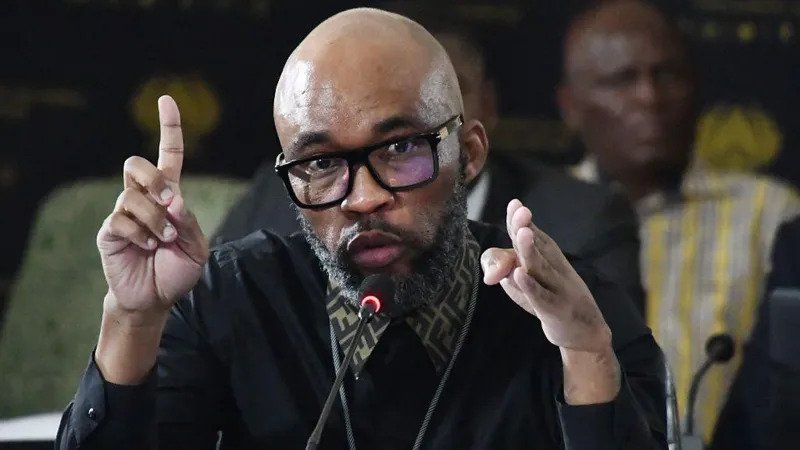
Businessman Vusimusi “Cat” Matlala has emerged as one of the most talked about figures in South Africa’s ongoing police corruption inquiry. His name has repeatedly surfaced during hearings that are examining claims of corruption, political influence, and questionable police contracts.
The inquiry, led by retired Constitutional Court judge Mbuyiseli Madlanga, has been running for nearly ten months. It aims to uncover whether senior police officials accepted benefits in exchange for awarding government contracts.
Authorities allege that Matlala offered expensive gifts, including 20 impalas, the diabetes and weight loss medicine Ozempic, and personal loans to influential individuals. Investigators believe these benefits may have helped him gain access to valuable police contracts. Matlala has denied the corruption allegations.
Court Appearance Draws National Attention
Matlala, who has spent more than a year in police custody in connection with a separate criminal case, appeared before the commission this week. Although he spent around two hours before the panel, the hearing focused mainly on procedural matters.
Commission members agreed that his detailed testimony will begin in September. Many South Africans are waiting to hear his full response because several witnesses have already linked him to alleged corruption during previous hearings.
Earlier Denials Before Parliament
This is not the first time Matlala has publicly addressed the allegations. During a parliamentary corruption inquiry last November, he rejected claims that he had close relationships with senior police officers or leading politicians.
He admitted making financial donations connected to activities of the governing African National Congress (ANC). However, he insisted those contributions were lawful and denied using money or gifts to influence public officials.
So far, he has not fully answered allegations presented at the current inquiry. These include claims that he had connections to a criminal network allegedly known as the “Big Five,” an accusation he has not publicly addressed during the commission’s hearings.
From Difficult Beginnings to Business Success
Before becoming a well known businessman, Matlala said he faced a difficult childhood. Speaking to lawmakers, he explained that he grew up in a township east of Pretoria during South Africa’s apartheid era.
According to his account, his mother raised him alone before disappearing from his life. As a result, he spent part of his childhood surviving on the streets and described himself as a former street child.
Years later, in 2002, he reunited with his mother while she was seriously ill. After her death, he learned that she had experienced sexual violence linked to harmful myths surrounding people with albinism.
Early Business Activities
After leaving school, Matlala said he started an informal business to support himself financially. He acknowledged that those early years included several encounters with law enforcement as he tried to build a living.
His public profile remained relatively low until about three years ago, when reports linked his name to alleged irregularities involving a government hospital tender. Matlala denied any involvement in that procurement process.
What Happens Next?
The commission is expected to continue examining evidence from multiple witnesses before hearing Matlala’s full testimony in September. His evidence could play a significant role in determining whether allegations of corruption within South Africa’s police leadership can be supported by evidence.
As the investigation continues, the inquiry remains one of the country’s most closely watched public proceedings.