
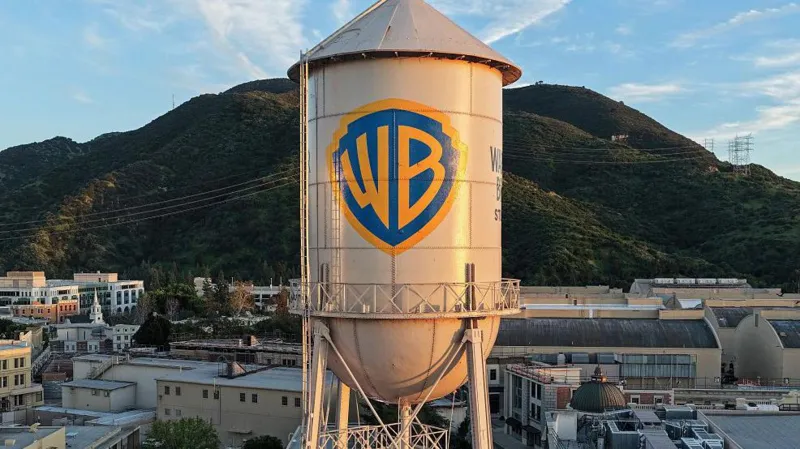
A major legal challenge has emerged against the proposed $110 billion merger between Warner Bros. Discovery and Paramount Global, as several US states attempt to block the deal over concerns about competition in Hollywood.
A coalition of 12 states, led by California, has filed a lawsuit to stop the merger. Officials argue that combining two of the biggest entertainment companies could reduce competition and increase costs for audiences.
California Attorney General Rob Bonta said the deal could negatively affect moviegoers, streaming viewers, cinemas, and television customers across the United States.
States Warn About Hollywood Market Control
If completed, the merger would create one of the largest media companies in the world. The combined company would control more than a quarter of major movie releases.
Along with The Walt Disney Company, Universal Pictures, and Sony Pictures Entertainment, the four major entertainment groups would control around 86% of the biggest film market.
The merger would bring together two historic Hollywood rivals. Warner Bros and Paramount own some of the most recognised entertainment franchises, including Harry Potter, Batman, Mission: Impossible, and Top Gun.
They also control popular television brands such as CNN, MTV, and Nickelodeon.
Lawsuit Focuses on Higher Prices and Fewer Choices
The states’ lawsuit highlights concerns in three major areas: movie releases, blockbuster films, and cable television channels.
Officials argue that competition between studios currently gives cinemas and television providers more negotiating power. If one company demands higher fees, businesses can choose another studio.
However, after the merger, the lawsuit claims theatres and TV networks could have fewer alternatives. This could lead to higher cinema ticket prices, increased cable costs, and fewer entertainment options for consumers.
The states said the merger could result in lower quality content and reduced competition in the entertainment industry.
Merger Faces Regulatory Pressure
The legal action creates a major obstacle for the companies as they work toward completing the merger.
The US Department of Justice previously approved the deal in June. However, state officials are now asking the companies to pause the transaction until a court reviews the case.
The states have also warned they may seek a temporary court order to prevent the merger from moving forward.
Supporters Say Media Industry Needs Change
Supporters of the merger argue that traditional media companies are facing major challenges due to changing viewer habits, streaming competition, and declining cable television audiences.
They believe joining forces could help the companies compete better in the modern entertainment market.
The final decision will depend on how the court evaluates the competition concerns and the potential impact on consumers.