
New hope for weight loss
Weight loss medications are becoming more common, but they are not a simple fix. Many people expect fast, permanent results, yet that is rarely the case. These medicines can support weight loss, but long term success still depends on lifestyle changes.
Sarah Le Brocq shared her experience after struggling with obesity for most of her life. She tried many diets, but the weight always returned. After using weight loss medication for more than two years, she lost about 51 kilograms. She also noticed major changes in her daily life. She felt less focused on food, had more energy, and could do things she could not do before.
Growing use of modern weight loss drugs
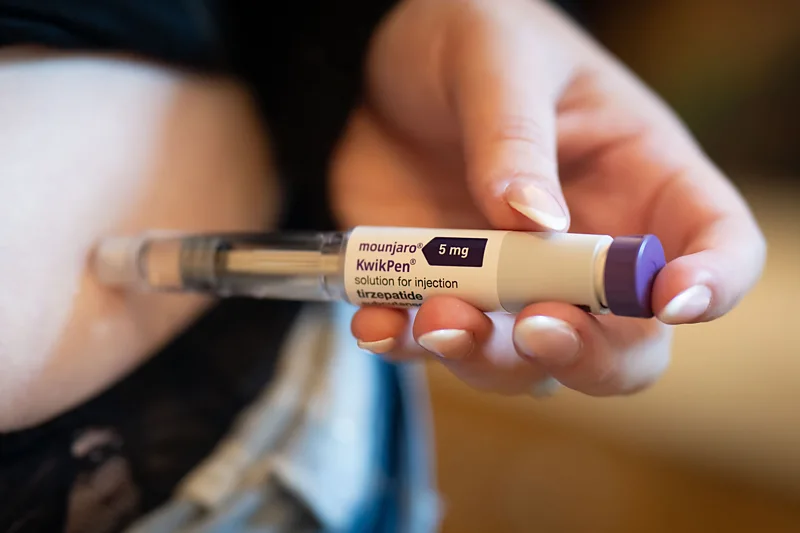
More people are now using medicines like semaglutide and tirzepatide, commonly known by brand names such as Ozempic and Mounjaro. These drugs are part of a new approach to treating obesity. Experts believe their use will continue to grow as new options appear, including tablets instead of injections.
Some medical professionals see these drugs as a major breakthrough. Others believe people should not ignore diet and exercise. They warn that weight often returns once the medication stops.
How these drugs work
Weight loss medications work by reducing appetite. They mimic natural hormones that signal fullness. These hormones include GLP 1 and GIP.
The drugs attach to receptors in the body that control hunger signals. This helps the brain feel full sooner and reduces food intake. As a result, many users begin to lose weight within a few weeks.
Important things to consider
These medicines are mainly approved for people with obesity. However, demand is rising, and some people without obesity are also trying to access them through private services.
Before starting these drugs, it is important to understand that they are not a permanent solution. They work best when combined with healthy eating habits and regular physical activity. Stopping the medication can often lead to weight gain again.