Leadership at the Top Looks Unclear
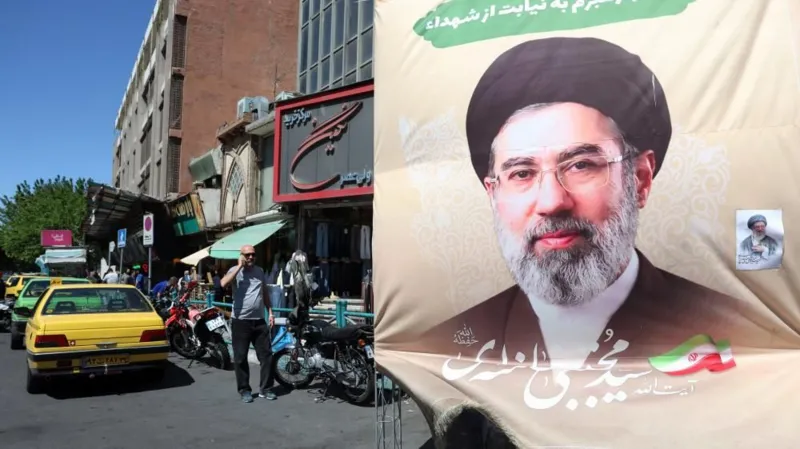
Iran’s political system officially places ultimate authority in the hands of the supreme leader. After the death of Ali Khamenei at the start of the conflict with the United States and Israel, his son Mojtaba Khamenei was reported to have taken over the role.
In theory, this position controls major national decisions, including war strategy, foreign policy, and security direction. In practice, the situation now appears far less clear.
Mojtaba Khamenei has not appeared publicly since assuming power. His absence has created uncertainty inside and outside Iran about who is actually directing the state.
Limited Visibility and Growing Questions
There are few confirmed signs of direct leadership activity. Only a small number of written messages have been released under his name, including statements about key military positions.
Reports from Iranian sources suggest he may have been injured during early strikes in the conflict. His condition and ability to communicate have not been independently confirmed.
This lack of visibility has weakened the usual signals of leadership. In Iran, public presence and speeches are often used to show authority and control. That pattern is missing now.
Power Appears Less Centralized
Observers note that decision making inside Iran now seems more divided than before. Instead of a single clear authority, multiple institutions appear to be involved in shaping outcomes.
Some believe the leadership transition happened too quickly for full control to be established. Others point to internal disruption caused by ongoing military pressure.
The result is a system where direction is harder to read, and authority is less clearly concentrated at the top.
Diplomacy Continues but with Limits
Iran’s foreign ministry continues to engage in diplomatic talks with the United States under President Masoud Pezeshkian and Foreign Minister Abbas Araghchi.
However, their influence appears limited. Strategic decisions do not seem to come directly from the diplomatic team.
At times, contradictions have appeared in official messaging, including mixed signals over key security issues. This suggests that diplomacy is reacting to events rather than shaping them.
Parliamentary leadership has also taken a visible role in negotiations, adding another layer to an already complex structure.
Military and Political Tracks Not Fully Aligned
Military decision making appears to operate on a separate track from diplomacy. This has created inconsistencies in messaging and strategy.
Officials involved in talks often adjust positions quickly, reflecting shifting instructions or unclear authority lines.
This divide has reinforced the perception that Iran’s internal leadership structure is under strain during the conflict.
Conclusion: A System Under Pressure
Iran’s leadership is formally defined but practically difficult to observe at the moment. The absence of a visible central figure, combined with fragmented decision making, has created uncertainty at the highest level of the state.