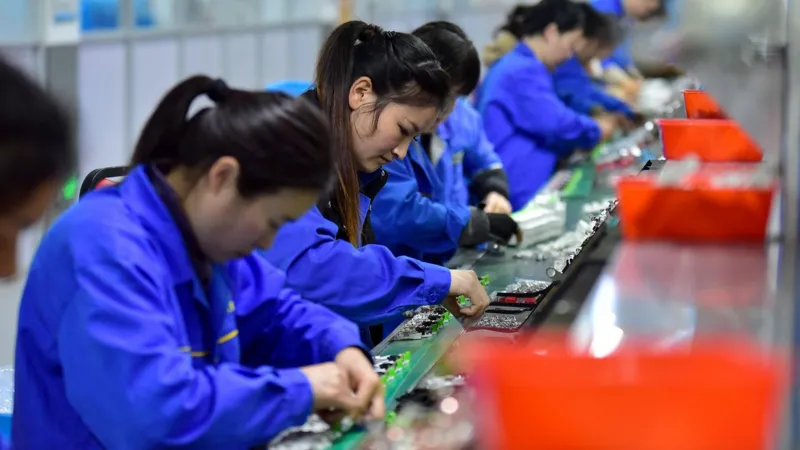
Chinas manufacturing sector is really feeling the heat from rising oil costs. The trouble started when the conflict connected to Iran messed up the oil shipping routes. You see the Strait of Hormuz is a deal for global fuel transport. When something goes wrong there oil prices go up. It affects all the industries that rely on petrochemicals.
China has an amount of oil stored away and it is making progress in renewable energy and electric vehicles. These strengths have helped China deal with global fuel shocks in the past.. Now the rising global oil prices are creating new problems for Chinas economy, which is driven by exports.
In Guangzhou, which’s one of the biggest textile hubs in the world fabric traders are feeling the pressure directly. Costs have gone up by 20 percent according to the people who work there.
Making fabric relies heavily on petrochemicals, which come from oil. So when oil prices rise it becomes more expensive to make fabric. A lot of traders say their customers do not want to pay the prices, which means sales are slower and there is more stock just sitting in warehouses.
Some traders are now paying the cost themselves. This means they are making less money than before and it is harder for them to stay in business.
The export market is also facing demand. The textile market in Guangzhou supplies brands like Zara, Shein and Temu.. Now these supply chains are under pressure because the rising costs are affecting the prices of things.
Traders are saying they are getting new orders. The people who buy from them are being careful. Do not want to pay more. As a result goods are staying in storage for longer. It is harder for small businesses to get the money they need.
The Canton Fair, which is not far from these struggling markets shows a side of Chinas economy. Manufacturers are still able to attract buyers with new technology and consumer products.
People who visit the fair are interested in things like smart glasses that can translate languages, robotic mobility aids and smart home devices. These products show that China is pushing toward technology and automation.
Even in this area the cost of making things is going up. A lot of products rely on plastic and other materials that come from oil, which are getting more expensive.
China is trying to balance its strengths with the pressure it is facing. With the rising costs international buyers are still coming to trade fairs and placing orders. China is still a player in global manufacturing.
At the time the economic pressure, from higher oil prices and global conflict is getting harder to ignore. Businesses are changing their prices dealing with profits and trying to stay competitive in a global market that is changing. Chinas manufacturing sector Chinas manufacturing sector is really feeling the heat.