NATO support remains central
King Charles III delivered a carefully balanced address to the US Congress that mixed diplomacy with clear political signals. He strongly highlighted the importance of NATO at a time when President Donald Trump has questioned the alliance and its fairness.
The King described the Atlantic relationship as a long standing partnership built on shared strength between Europe and America. He referenced former US Secretary of State Henry Kissinger to underline that bond.
He also reminded lawmakers of NATO unity after the September 11 attacks, when allied countries supported the United States. He said that in moments of crisis, cooperation defined the alliance.
This framing served two purposes. It reinforced NATO’s value while also gently countering recent criticism from Trump, who has called the alliance a “one way street” and argued that some members do not contribute enough.
Subtle political messaging on key global issues
Alongside NATO, the King touched on wider global concerns, including Ukraine and the importance of Western democratic values. He also included a quiet reference to climate change, a topic Trump has previously dismissed.
His tone stayed formal and respectful throughout, avoiding direct confrontation. Instead, he used historical references and diplomatic language to deliver his points in a restrained way.
Observers noted that his approach allowed him to raise sensitive issues without breaking the tone of the visit or offending his host.
Strong reaction from lawmakers and media
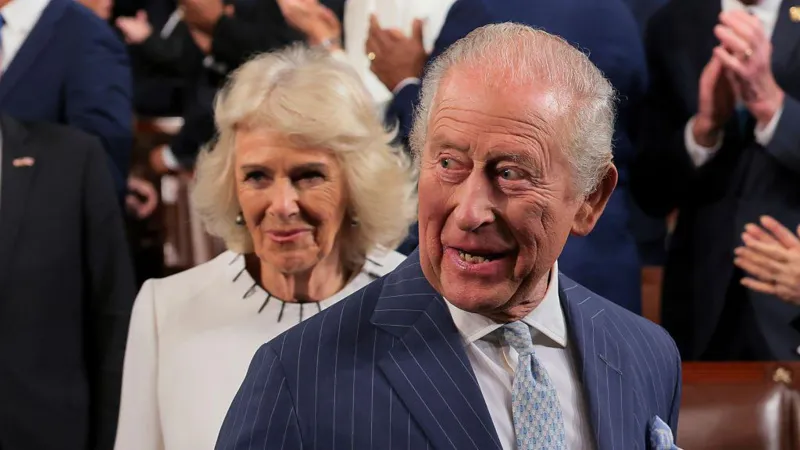
The speech received an enthusiastic response inside Congress, with multiple standing ovations from lawmakers. The reaction suggested that his message connected well with the audience.
International media also reacted positively. The New York Times described the remarks as subtle challenges to Trump’s positions, while Le Monde highlighted the King’s polished and traditional speaking style.
Commentators noted that royal speeches often require careful interpretation. In this case, the King managed to express clear positions while maintaining diplomatic neutrality.
A careful diplomatic balance
Overall, the address showed how the monarch combined soft diplomacy with firm messaging. He avoided direct criticism but still made his views on NATO, democracy, and global cooperation clear.
The visit highlighted how royal diplomacy continues to play a symbolic role in strengthening international relationships, even when political differences exist.