A warm reception across Washington
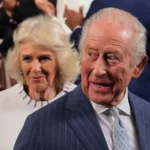
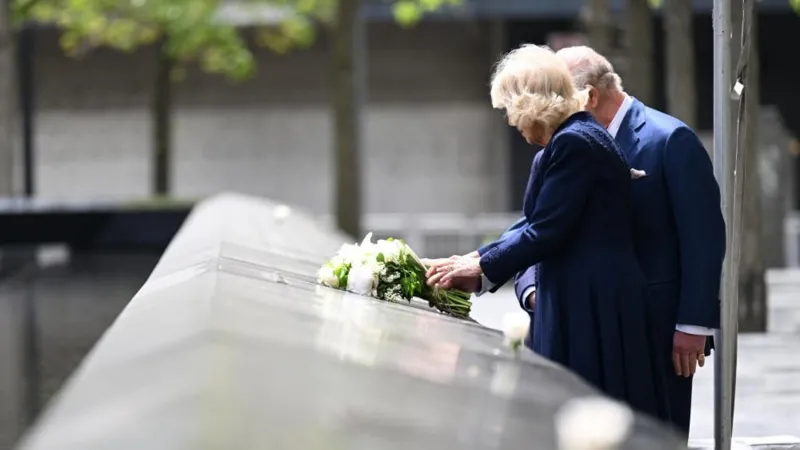
King Charles III and Queen Camilla visited the 9/11 Memorial in New York, where they paid tribute and spent time reflecting at the site. The visit drew strong public attention in the United States, where media and commentators closely followed every moment of the royal tour.
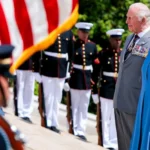
In Washington, the King delivered speeches that combined humour, history, and a message about unity. He spoke at the White House state banquet and later addressed Congress, where lawmakers gave him a standing ovation. His remarks focused on shared values between Britain and the United States, including democracy and long standing cooperation.
Political tone and public interpretation
Many observers viewed the King’s speech as more than ceremonial. Some opinion writers suggested his words carried a subtle reminder about democratic principles. One columnist noted that an outside voice can sometimes highlight what domestic politics overlooks, framing the King’s message as a reflection on democratic values.
His comments also sparked discussion about whether he indirectly responded to President Donald Trump. While no direct criticism was made, some listeners interpreted parts of the speech as a gentle contrast in leadership style and democratic tone.
Trump’s response and public optics
President Trump publicly expressed enthusiasm for the visit in the months leading up to it. During the events, he praised the long relationship between the two countries and focused on historical ties rather than policy disagreements.
At the state banquet, he highlighted the early connection between America and Britain, describing the shared values that existed before independence. His tone remained controlled and formal throughout the visit, which some observers found notable given his typically outspoken style.
Cultural diplomacy and royal influence
The visit also included cultural moments, such as appearances at high profile events in New York. Public figures and guests attended gatherings that celebrated British American relations, adding a social dimension to the diplomatic tour.
Overall, the visit reinforced the symbolic role of the monarchy in international relations. Many US commentators described the trip as a successful example of soft diplomacy, where tradition and ceremony supported political goodwill without direct negotiation.